There’s little more frustrating during an intense rowing session than your foot straps slipping. It disrupts your rhythm, compromises your power, and can even be a safety concern, pulling you out of your focused workout. Whether you’re a seasoned rower or just starting out, dealing with loose foot straps is a common annoyance that can hinder your progress and enjoyment. This comprehensive guide will delve into why your straps might be slipping and provide practical, fast DIY fixes, along with crucial technique adjustments and maintenance tips to keep your feet firmly in place, allowing you to focus on a powerful and efficient stroke every time.
Understanding Why Your Rowing Machine Strap Slips
Foot straps on a rowing machine are essential for connecting your body to the machine, enabling a strong leg drive and a controlled recovery. When they start to slip, it’s often a symptom of one or more underlying issues, ranging from wear and tear to subtle technique flaws.
Worn-Out Straps and Buckles
|
Our Picks for the Best Rowing Machine in 2026
As an Amazon Associate I earn from qualifying purchases.
|
||
| Num | Product | Action |
|---|---|---|
| 1 | Rowing Machine Magnetic Rower with 16 Resistance Levels, Quiet Home Rowing Machine for Cardio Training, APP Connection, 160 kg Load Capacity, Vertical Storage |

|
| 2 | Rowing Machines for Home, 16 Level Adjustable Resistance, Magnetic Rowing Machine with App Supported, 350 LB Weight Capacity, Upgraded Dual Slide Rails with LCD Data Display Screen |
|
| 3 | Rowing Machines for Home,Water Rowing Machine with Foldable Design,400LBS Capacity,LCD Monitor,Smooth Glide Rails,Comfortable Seat,Free App(Bluetooth) Supported for Immersive Water Rower&Home Gym |
|
| 4 | Rowing Machine for Home, Magnetic Rower Machine, 350 LB Weight Capacity, 16-Level Silent Resistance Row Machine for Gym Exercise Full-Body Workout Compact Rower with LCD Monitor Tablet Holder |
|
| 5 | Foldable Rowing Machines for Home with Adjustable Large Water Tank & Comfortable Seat for Real Experience Immersive Water Rower, APP Link,Joint 0 Impact 330LBS Weight Capacity; |
|
| 6 | Rowing Machine for Home, 350 LB Capacity, 16-Level Silent Resistance, Magnetic Rowing Machines for Home Foldable, Full-Body Workout Compact Rowing Machine for Cardio & Strength with APP Support |
|
| 7 | Rowing Machine for Home, 16 Resistance Levels, Quiet Magnetic Rower with APP, 350 LB Weight Capacity, Easy Assembly, Compact and Saves Space |
|
| 8 | MERACH Rowing Machines for Home, Magnetic Rowing Machine with 16 Levels, Rower Machine of Quiet Resistance, Dual Slide Rail with Max 350lbs Weight Capacity, App Compatible |
|
| 9 | Rowing Machine,Wenoker Magnetic Rower Machine for Home,App Supported 350 LB Weight Capacity, Smooth Whisper Quiet with LCD Monitor Tablet Holder & Comfortable Seat Cushion, Compact and Saves Space |
|
| 10 | Rowing Machine,Wenoker Magnetic Rower Machine for Home,App Supported 350 LB Weight Capacity, Smooth Whisper Quiet with LCD Monitor Tablet Holder & Comfortable Seat Cushion, Compact and Saves Space |
|
Over time, constant use can take a toll on your rowing machine’s foot straps and their securing mechanisms. The fabric of the straps can fray, becoming smoother and losing the grip needed to stay cinched tight. Similarly, the buckles or fasteners, which are designed to hold the strap in place, can wear down or become less effective. This age-related degradation is a primary reason why straps might struggle to maintain tension, especially during high-intensity workouts.
Improper Rowing Technique
Perhaps the most common culprit behind slipping straps is less-than-ideal rowing technique. Many rowers, particularly beginners, tend to over-rely on their feet and shin muscles during the recovery phase, pulling themselves forward with their toes or lifting their heels excessively. This can put undue stress on the straps, causing them to loosen with each stroke. Another common error is using the foot straps to accelerate the slide back to the catch, rather than allowing a controlled recovery driven by core engagement and hamstring flexibility.
Insufficient Tightening
Sometimes, the simplest explanation is the correct one: the straps aren’t being tightened enough from the outset. While you don’t want them uncomfortably tight, a snug fit is crucial to prevent initial slippage. If straps are left slightly loose, the dynamic forces of rowing will inevitably cause them to loosen further throughout your session.
Footplate Adjustment Issues
The position of your feet on the footplates also plays a role in strap stability. If your foot position (e.g., the heel cup height) isn’t correctly adjusted for your shoe size and flexibility, it can lead to increased movement and stress on the straps. An improper setting can encourage your feet to lift or shift, thereby loosening the straps.
Fast DIY Fixes for Slipping Straps
When your foot straps start to slip mid-workout, a quick fix can save your session. Here are several effective DIY methods to regain security quickly.
The “Loop, Swoop, and Pull” Technique
This method is highly effective for adding extra security, especially if your straps are slightly worn. After sliding your foot in and tightening the strap to a comfortable snugness, push down on the tab of the buckle (often marked “C2” on Concept2 machines) to expose the back. Loop the excess strap back over the top of the buckle and feed it through this newly exposed space. Pull it tight, and you’ll find the strap is now looped back on itself, creating a much stronger hold that resists slipping.
> “Often times, as machines age, foot straps get worn and are prone to slipping. With this little known loop, swoop, and pull trick, you’ll be sure your feet stay secure, no matter what!” – Luke Walton, Olympian & Rowing Coach
Double-Tying and Knotting Methods
For a simple yet effective solution, consider these knotting techniques:
- Double Tie: Once the strap is pulled tight, wrap the loose end back under the main strap and pull it through, creating a basic knot. This adds an extra layer of friction and can significantly reduce slippage.
- Tucking the Loose End: A quick trick is to tuck the excess strap end between your shoe and the foot strap itself. This friction helps keep the strap from moving.
Cleaning and Lubricating Buckles
If your buckle feels sticky or doesn’t cinch smoothly, a build-up of dirt or debris might be the problem.
- Cleaning: Use a small brush or a damp cloth to clean any visible grime from inside the buckle mechanism.
- Lubricating: For stiff adjuster buttons or mechanisms, a small amount of WD-40 or a silicone-based lubricant can help. Apply sparingly and wipe away any excess to prevent residue from attracting more dirt.
Using Velcro for Enhanced Grip
For a more permanent DIY solution, some users have found success by adding Velcro. Apply industrial-strength Velcro strips to the plastic footplate pads and the back of your workout shoes. When you strap in, the Velcro provides an additional, strong grip that prevents your feet from shifting, reducing the strain on the straps themselves.
Addressing the Root Cause: Improving Your Rowing Technique
While quick fixes are great, tackling the root cause—often technique-related—is crucial for long-term strap security and overall rowing efficiency.
Engaging the Core, Not Just the Feet
A fundamental principle of effective rowing is to drive primarily with your legs and engage your core, rather than pulling with your feet or relying on the straps. During the drive, initiate with your legs, pushing off the footplates powerfully. As you recover, use your core to control your body’s movement back towards the catch, keeping a light connection with the foot straps.
“Feet Out” Rowing Drills
This highly recommended drill involves rowing without your feet secured in the straps. It forces you to maintain constant pressure against the footplates throughout the stroke, teaching you to control the recovery with your hamstrings and core, rather than pulling with your feet. If your feet lift off the footplates, you’re likely relying too much on the straps. Start with short intervals and gradually increase duration as your technique improves.
Controlled Recovery
Avoid “rushing the slide” or pulling yourself forward with your feet during the recovery. Instead, allow your hands to move away from your body, then pivot from your hips, and finally bend your knees in a controlled manner. Your feet should remain in contact with the footplates, with only a gentle pressure from the straps. This controlled movement minimizes the forces that can cause straps to loosen.
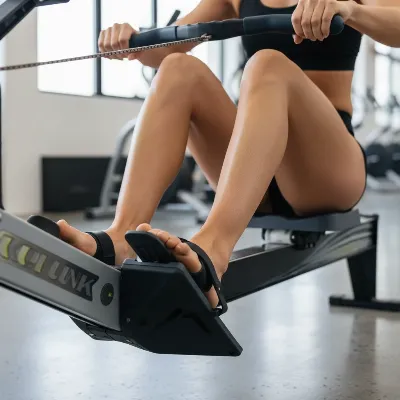 A rower demonstrating correct feet positioning on a rowing machine footplate with secure straps.
When to Consider Replacement
Sometimes, no amount of DIY fixing or technique adjustment can save old straps. Knowing when to replace them is key for safety and performance.
Signs of Irreparable Damage
Inspect your straps regularly for these signs:
- Severe Fraying: If the strap material is heavily frayed, torn, or thinning, its structural integrity is compromised.
- Broken or Malfunctioning Buckles: If the buckle no longer cinches securely, or if parts are cracked or missing, it’s time for a replacement.
- Loss of Elasticity: Some straps have a slight stretch; if they feel completely stretched out or flimsy, they won’t hold tension.
Choosing the Right Replacement Straps
When purchasing new straps, consider:
- Model-Specific vs. Universal: For popular brands like Concept2, direct replacement straps are readily available and often the best fit. For less common models, universal straps might work, but always check dimensions and attachment mechanisms.
- Material: Look for durable materials like strong nylon or oxford cloth that can withstand rigorous use.
DIY Replacement Process (General Steps)
Replacing straps is generally straightforward:
- Remove Footplate (if necessary): On some rowers, you might need to unscrew the entire footplate assembly to access the strap attachment points.
- Unthread Old Straps: Carefully unthread the old straps from the footplate and buckle mechanisms. Note how they were threaded to guide the installation of new ones.
- Thread New Straps: Take the end of the new strap without the buckle and thread it through the footplate and buckle, ensuring it’s oriented correctly (buckle facing up, ready to go over your foot).
- Secure Attachment: If your straps attach with screws (common on older Concept2 models), ensure the screw holes in the strap align with the attachment points on the footplate before re-screwing.
- Test: Once installed, test the straps for security and smooth adjustment before your next workout.
Buying Guide: Selecting New Rowing Machine Straps
Investing in quality replacement straps can significantly improve your rowing experience and machine longevity.
Material and Durability
Opt for straps made from heavy-duty nylon, oxford cloth, or similar robust synthetic materials. These are designed to withstand repetitive stress, sweat, and friction. Check for reinforced stitching, which indicates better durability. Thicker webbing often translates to a longer lifespan.
Compatibility
This is paramount. Always verify that the replacement straps are compatible with your specific rowing machine make and model.
- Brand-Specific: Many manufacturers, like Concept2, offer proprietary replacement parts.
- Universal Options: If brand-specific straps are unavailable or too costly, universal straps can be an alternative, but compare dimensions (length, width) and attachment styles carefully. Some straps are designed for specific footplate designs, such as those with screwholes for attachment.
Cost vs. Quality
While it might be tempting to opt for the cheapest option, remember that foot straps are a critical component for both performance and safety. A slightly higher investment in durable, high-quality straps from a reputable supplier will often pay off in terms of longevity and reliability, saving you the hassle and cost of frequent replacements.
Maintenance Tips to Prevent Future Slipping
Proactive maintenance can prevent many foot strap issues before they start.
Regular Inspection
Make it a habit to visually inspect your foot straps before and after each use. Look for signs of fraying, cuts, tears, or any damage to the buckle mechanism. Early detection allows for timely intervention.
Proper Storage
If your rowing machine is stored in an area with extreme temperature fluctuations or high humidity, this can degrade strap materials faster. Store your rower in a cool, dry place. If you fold your rower for storage, ensure straps aren’t pinched or bent awkwardly, as this can cause premature wear.
Mindful Use
Always ensure your feet are properly placed in the foot cradles before tightening the straps. Avoid yanking or over-tightening the straps, which can stress both the material and the buckle. Encourage proper rowing technique among all users of the machine to minimize unnecessary strain on the straps.
Conclusion
A slipping rowing machine strap is more than just an inconvenience; it can undermine your workout effectiveness and potentially lead to poor form or discomfort. By understanding the common culprits—from worn-out equipment to subtle technique flaws—you are empowered to address the problem effectively. Fast DIY fixes like the “loop, swoop, and pull” method or simple knotting can provide immediate relief, while a commitment to improving your rowing technique will offer a lasting solution. Remember to regularly inspect your straps and replace them when they show signs of irreparable wear. With these tips, you can ensure your feet remain securely anchored, allowing you to focus on achieving a powerful, efficient, and uninterrupted rowing experience every time. What improvements have you noticed in your rowing performance after securing your foot straps?
Câu Hỏi Thường Gặp
Why do my foot straps keep coming loose on my rowing machine?
Foot straps often loosen due to worn-out material or buckles, but improper rowing technique is a significant factor. Over-reliance on foot strength during recovery or lifting toes excessively puts strain on the straps, causing them to slip. Ensuring correct technique and inspecting straps for wear can prevent this.
Can I use any strap as a replacement for my rowing machine?
No, it’s crucial to use replacement straps compatible with your specific rowing machine model. While some universal straps exist, checking dimensions and attachment methods is essential to ensure a proper and secure fit. Model-specific straps are generally the safest and most reliable option.
How often should I replace rowing machine foot straps?
The lifespan of Rowing Machine foot straps varies depending on usage intensity and material quality. There’s no fixed schedule, but they should be replaced when you notice significant fraying, tearing, or if the buckle mechanism no longer secures the strap effectively, even after attempting DIY fixes.
Is it bad to row with loose foot straps?
Yes, rowing with loose foot straps is not ideal. It can compromise your power transfer, as your leg drive won’t be as efficient. More importantly, it can encourage poor rowing technique, such as over-relying on your upper body or feet to compensate, potentially leading to discomfort or even injury over time.