Air resistance rowing machines are highly effective fitness equipment that provide a full-body workout, burn significant calories, and simulate on-water rowing. They are favored by athletes and fitness enthusiasts for their dynamic, user-defined resistance and exceptional durability. Choosing the right air rower involves understanding its unique mechanics, comparing top models, and aligning features with your specific fitness goals.
Rowing Machines: An Overview and the Power of Air Resistance
Rowing machines, also known as ergometers, engage approximately 86% of your body’s muscles across nine major muscle groups, including legs, glutes, core, back, and arms. This low-impact motion makes rowing an efficient workout for cardiovascular health, muscle toning, and weight management.
Air resistance models generate resistance using a flywheel that spins against the air as you pull the handle. The faster and harder you pull, the more air resistance the flywheel encounters, creating an infinite resistance curve that accurately mimics rowing on water. This “user-defined” resistance adapts to your effort, making it ideal for both explosive interval training and steady-state cardio. These machines have historically been the gold standard for competitive rowers and serious athletes, evolving to include advanced performance monitors. For see our home fitness recommendations on this site.
How to Choose the Right Air Resistance Rowing Machine
Selecting the perfect air resistance rowing machine requires understanding your personal fitness objectives and evaluating several key features, balancing performance, comfort, durability, and specific needs.
Determine Your Fitness Needs and Goals
Before reviewing specifications, consider your fitness goals. Air resistance rowers excel in weight loss, cardiovascular endurance, and muscle building due to their scalable resistance. Beginners benefit from the intuitive resistance for a smooth learning curve, while advanced users appreciate the challenge. Your experience level also influences choice; robust, performance-oriented air rowers are often preferred by experienced users or those with competitive aspirations.
Understanding Different Rowing Machine Types
While this guide focuses on air resistance, understanding other types helps appreciate their unique advantages.
- Magnetic Rowing Machines: These use a magnetic brake system for resistance, are typically very quiet, offer consistent and easily adjustable resistance, and are often more compact. However, resistance is finite and the feel can be less natural compared to air or water. They are excellent for apartment living.
- Water Rowing Machines: Utilizing actual water in a tank, these machines provide a highly realistic and smooth rowing experience with a pleasant, swooshing sound. Resistance is user-defined, increasing with effort. They are often visually appealing, made from wood, but can be heavier and more expensive.
- Air Rowing Machines: These offer unlimited, user-defined resistance that feels incredibly natural and engaging. They are known for exceptional durability and are standard in professional training. The primary drawback is the noise level, which can be significant during intense workouts due to the fan.
- Hydraulic Rowing Machines: Generally the most affordable and compact, using hydraulic cylinders for resistance. They are often less durable, provide a less natural rowing stroke (sometimes with independent arms), and resistance can feel jerky. They are best suited for casual users with limited space and budget.
Important Factors to Consider
|
Our Picks for the Best Rowing Machine in 2026
As an Amazon Associate I earn from qualifying purchases.
|
||
| Num | Product | Action |
|---|---|---|
| 1 | Rowing Machines for Home,Water Rowing Machine with Foldable Design,400LBS Capacity,LCD Monitor,Smooth Glide Rails,Comfortable Seat,Free App(Bluetooth) Supported for Immersive Water Rower&Home Gym |

|
| 2 | Rowing Machine,Wenoker Magnetic Rower Machine for Home,App Supported 350 LB Weight Capacity, Smooth Whisper Quiet with LCD Monitor Tablet Holder & Comfortable Seat Cushion, Compact and Saves Space |
|
| 3 | Rowing Machine for Home, 350 LB Capacity, 16-Level Silent Resistance, Magnetic Rowing Machines for Home Foldable, Full-Body Workout Compact Rowing Machine for Cardio & Strength with APP Support |
|
| 4 | Rowing Machines for Home, 16 Level Adjustable Resistance, Magnetic Rowing Machine with App Supported, 350 LB Weight Capacity, Upgraded Dual Slide Rails with LCD Data Display Screen |
|
| 5 | MERACH Rowing Machines for Home, Magnetic Rowing Machine with 16 Levels, Rower Machine of Quiet Resistance, Dual Slide Rail with Max 350lbs Weight Capacity, App Compatible |
|
| 6 | Rowing Machine for Home, 16 Resistance Levels, Quiet Magnetic Rower with APP, 350 LB Weight Capacity, Easy Assembly, Compact and Saves Space |
|
| 7 | Rowing Machine,Wenoker Magnetic Rower Machine for Home,App Supported 350 LB Weight Capacity, Smooth Whisper Quiet with LCD Monitor Tablet Holder & Comfortable Seat Cushion, Compact and Saves Space |
|
| 8 | Rowing Machine for Home, Magnetic Rower Machine, 350 LB Weight Capacity, 16-Level Silent Resistance Row Machine for Gym Exercise Full-Body Workout Compact Rower with LCD Monitor Tablet Holder |
|
| 9 | Rowing Machine Magnetic Rower with 16 Resistance Levels, Quiet Home Rowing Machine for Cardio Training, APP Connection, 160 kg Load Capacity, Vertical Storage |
|
| 10 | Foldable Rowing Machines for Home with Adjustable Large Water Tank & Comfortable Seat for Real Experience Immersive Water Rower, APP Link,Joint 0 Impact 330LBS Weight Capacity; |
|
When purchasing an air resistance rowing machine, paying attention to these details ensures a durable machine that meets your expectations.
- Size and Weight: Air rowers can be long, so measure your workout space carefully. Many models store upright or separate into two pieces. Consider the machine’s weight if frequent movement is needed.
- Resistance Level and Adjustment: Air rowers offer dynamic resistance. Look for models with a damper setting (like on Concept2) to control the stroke’s “feel,” simulating a heavier or lighter boat. This affects airflow into the flywheel, not actual resistance.
- Monitor and Tracking Features: A high-quality performance monitor is crucial. Look for displays of strokes per minute (SPM), distance, time, calories burned, and watts. Bluetooth connectivity for heart rate monitors or fitness apps is a significant plus.
- Noise Level: Air rowers are inherently louder than magnetic or hydraulic machines due to the fan. This is a major consideration for apartment dwellers or those preferring quiet workouts.
- Durability and Material Quality: Air resistance rowers are built for heavy use. Look for robust construction, typically steel and aluminum, with a strong frame, comfortable seat, durable handle, and smooth gliding rail.
- Price: Air resistance rowers range from mid-tier to premium. Budget for a machine that offers good value for its durability and features; a higher initial investment often leads to a longer lifespan and better workout experience.
Comparing Popular Rowing Machine Types
Choosing the right rowing machine depends on personal preference and priorities. Here’s a comparative look at common types:
| Feature | Magnetic Rowing Machine | Water Rowing Machine | Air Rowing Machine | Hydraulic Rowing Machine |
|---|---|---|---|---|
| Noise Level | Low | Medium | High | Low to Medium |
| Rowing Feel | Consistent, Smooth | Realistic, Natural | Dynamic, User-Defined | Often Jerky, Less Natural |
| Price Range | Medium | High | Medium to High | Low |
| Durability | Good | Good to High | Excellent | Fair |
| Resistance | Finite, Adjustable | User-Defined, Natural | Infinite, User-Defined | Fixed or Limited |
| Space Footprint | Compact | Large | Large (often foldable) | Very Compact |
Air resistance rowers excel in dynamic and infinite resistance, providing a challenging workout that scales with effort, making them superb for serious training and mimicking on-water experience. While they are the loudest, their durability is often unmatched. Magnetic rowers offer quiet operation, ideal for shared spaces, but with a less natural feel. Water rowers provide aesthetic appeal and a smooth feel but are often the most expensive and heaviest. Hydraulic models are budget-friendly but compromise significantly on feel and longevity.
Where to Buy Air Resistance Rowing Machines: Top Brands
When investing in an air resistance rowing machine, reputable brands and reliable purchasing channels are key.
-
Popular Retail Channels: Air rowers are available at large sporting goods stores, specialized fitness equipment retailers, and major online marketplaces. Buying directly from the manufacturer’s website often provides the best information and warranty support.
-
Leading Air Resistance Rowing Machine Brands:
- Concept2: Considered the gold standard, Concept2 machines (e.g., RowErg) are renowned for exceptional durability, accurate PM5 performance monitors, and an active online community. They are used by competitive rowers worldwide.
- Xebex: Xebex offers robust air rowers popular in CrossFit boxes and commercial gyms. They provide a strong, consistent workout and are built for heavy use, often seen as a strong alternative to Concept2.
- Titan Fitness: Known for quality home gym equipment at competitive prices, Titan Fitness produces air resistance rowers that offer a solid workout experience with a focus on value.
When shopping online, scrutinize customer reviews for insights into product performance, assembly, and customer service. Verify the warranty and return policy before purchase, as shipping large fitness equipment can be costly.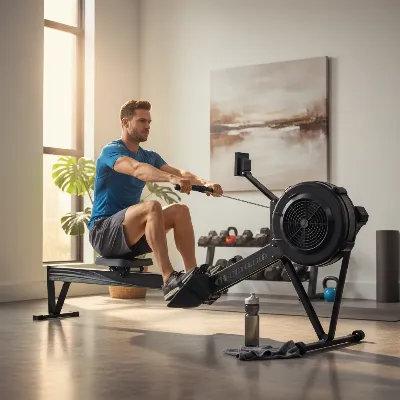 A person performing a full-body workout on an air resistance rowing machine, demonstrating proper form in a home gym setting, with clear lighting and a realistic style
How to Use and Maintain Your Air Resistance Rowing Machine
Proper usage and regular maintenance are essential for maximizing your air resistance rowing machine’s benefits and ensuring its longevity.
Correct Usage to Prevent Injury
Learning proper rowing form is critical for injury prevention and workout effectiveness. The stroke consists of four phases:
- The Catch: Shins vertical, arms extended, shoulders relaxed, core engaged, leaning slightly forward.
- The Drive: Push off with your legs first, then swing your back, and finally pull with your arms, drawing the handle to your sternum.
- The Finish: Legs fully extended, leaning slightly back, handle at your sternum, elbows pointed back.
- The Recovery: Extend your arms first, then lean forward from the hips, and finally bend your knees to slide back to the catch position.
Focus on a smooth, controlled motion. Your legs should do about 60% of the work, followed by your core and back (20%), and then your arms (20%).
Basic and Advanced Workouts
- Beginner Workout: Start with 15-20 minutes of steady-state rowing at a moderate pace (e.g., 20-24 SPM), focusing on form. Include a 5-minute warm-up and cool-down.
- Interval Training (HIIT): Alternate between high-intensity bursts (e.g., 1 minute at maximum effort) and recovery periods (e.g., 2 minutes at a light pace). Repeat 5-8 times for a challenging workout.
- Long-Distance Endurance: Aim for longer sessions (30-60 minutes) at a comfortable, consistent pace to build cardiovascular stamina.
Maintaining Your Air Resistance Rower
Air rowers are robust, but consistent care is important:
- Clean the Monorail: Wipe down the monorail (seat track) after each use with a damp cloth to prevent dust and grime buildup, which can affect seat glide.
- Inspect Chain/Belt: Check the chain or belt regularly for signs of wear or rust. Lubricate the chain (if applicable) with a small amount of oil as recommended by the manufacturer, typically every few months.
- Clean the Flywheel Enclosure: Periodically open the fan cage (if accessible) and vacuum out any accumulated dust or debris. This ensures optimal airflow and resistance.
- Check Fasteners: Ensure all nuts, bolts, and screws are tight.
- Monitor Battery: Replace the monitor batteries as needed.
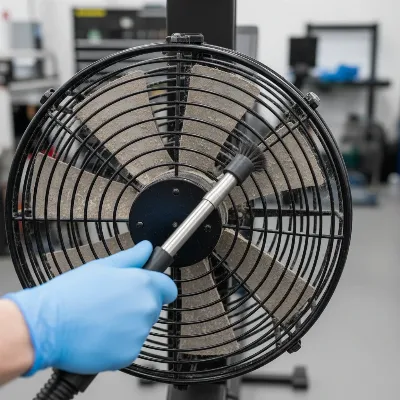 Detailed close-up of a hand cleaning the flywheel enclosure of an air resistance rowing machine, emphasizing maintenance
Your Ultimate Buying Guide for Air Resistance Rowing Machines
Navigating the market for an air resistance rowing machine can feel overwhelming, but by focusing on key aspects, you can confidently select the best model for your fitness journey.
- Prioritize Performance and Durability: For serious rowers or those seeking a gym-quality experience, an air rower’s unlimited resistance and robust build are paramount. Brands like Concept2 continue to set the standard.
- Assess Your Space and Noise Tolerance: Realistically evaluate where your rower will live. If noise is a deal-breaker, consider if a magnetic
Frequently Asked Questions
What makes air resistance rowing machines unique compared to other types?
Air resistance rowing machines offer dynamic, user-defined, and infinite resistance, which means the harder you pull, the more resistance you feel. This accurately mimics the sensation of rowing on water, engaging approximately 86% of your body's muscles for a comprehensive workout.
How do I choose the right air resistance rowing machine for my fitness goals?
To choose the right air resistance rowing machine, consider your fitness goals (e.g., weight loss, endurance, strength), available space, and noise tolerance. Look for models with a high-quality performance monitor, robust construction, and a damper setting for stroke feel adjustment.
What are the main drawbacks of air resistance rowing machines?
The primary drawback of air resistance rowing machines is their noise level, which can be significant during intense workouts due to the fan. They also tend to have a larger footprint compared to some other rowing machine types, requiring careful space planning.
Which brands are considered leaders in air resistance rowing machines?
Concept2 is widely considered the gold standard for air resistance rowing machines, known for exceptional durability and accurate performance monitors. Other leading brands include Xebex, popular in commercial gyms, and Titan Fitness, which offers competitive value.
What is the proper rowing form to prevent injury?
Proper rowing form involves four phases: the Catch (shins vertical, arms extended), the Drive (legs, then back, then arms), the Finish (legs extended, handle at sternum), and the Recovery (arms, then hips, then knees). Focus on a smooth, controlled motion, with legs doing about 60% of the work.
How to Use and Maintain Your Air Resistance Rowing Machine
Learn the correct rowing form and essential maintenance steps to maximize your air resistance rowing machine's effectiveness and longevity.
The rowing stroke has four phases: Catch, Drive, Finish, and Recovery. Begin with the Catch (shins vertical, arms extended), then initiate the Drive by pushing with your legs, swinging your back, and pulling with your arms. Complete the Finish with legs extended and handle at your sternum, then recover by extending arms, leaning forward, and bending knees.
For beginners, start with 15-20 minutes of steady-state rowing at 20-24 SPM, including a 5-minute warm-up and cool-down. For advanced users, try interval training (HIIT) with 1-minute maximum effort bursts followed by 2-minute recovery periods, repeated 5-8 times. Long-distance endurance sessions of 30-60 minutes at a consistent pace also build stamina.
After each use, wipe down the monorail (seat track) with a damp cloth to prevent dust and grime buildup, which can hinder seat glide. Regularly inspect the chain or belt for wear or rust, lubricating the chain every few months as recommended by the manufacturer.
Periodically open the fan cage (if accessible) and vacuum out any accumulated dust or debris to ensure optimal airflow and resistance. Additionally, ensure all nuts, bolts, and screws are tight to maintain the machine's stability and safety.
Equipment that holds up past 60 sessions
Free PDF — 60-session wear log template + 5 treadmills compared.

The air resistance rowing machine is great for a full-body workout, and I appreciate the low-impact motion. However, it can be a bit noisy, especially during intense sessions. I wish it was a little quieter so I could use it without disturbing others in the house. Still, it gets the job done for muscle toning and weight management.
I was looking for something that engaged a lot of muscles and this fits the bill perfectly. Engaging 86% of my body’s muscles is no exaggeration; I feel it everywhere. The flywheel mechanism provides such a smooth pull. It’s been fantastic for my cardiovascular health and overall strength.
I recently upgraded to an air rower and the dynamic, user-defined resistance is exactly what I needed. My old magnetic rower just didn’t offer the same challenge. It’s super durable too, which is important since I use it almost daily. Great for burning calories and getting my cardio in.
I’ve been using an air resistance rowing machine for about six months now, and it’s truly a game-changer. The full-body workout is no joke – I feel it in my legs, core, and arms every time. It’s amazing how much it simulates being on the water, which I miss from my college days. Definitely recommend for anyone serious about their fitness.