Stepping into the world of indoor rowing can feel like navigating a vast ocean of options, each promising the ultimate fitness journey. But for those serious about a comprehensive, low-impact, full-body workout, one name consistently emerges as the undisputed champion: the Concept2 RowErg rowing machine. This isn’t just another piece of fitness equipment; it’s a meticulously engineered training partner designed for unparalleled durability and performance. If you’re pondering an investment in your health, understanding what sets the Concept2 RowErg apart, its rigorous quality testing, and how it measures up against competitors is crucial to making the right choice for your fitness goals.
Rowing Machine: Overview and Benefits
Rowing machines, or ergometers, have a rich history rooted in competitive rowing, designed to simulate the dynamics of on-water training. Over the decades, they’ve evolved into sophisticated fitness tools, with the Concept2 RowErg, formerly known as the Model D, standing as a testament to consistent innovation and quality. It’s widely considered the “gold standard” in the industry, found in elite training facilities and home gyms worldwide, thanks to its robust construction and accurate performance metrics.
Indoor rowing offers a remarkably comprehensive workout, engaging approximately 86% of your body’s muscles across nine major muscle groups. This full-body engagement provides a wealth of health benefits, including significant cardiovascular improvement, enhancing heart and lung health. It’s also incredibly effective for building muscle strength and endurance, particularly in the legs, core, back, and arms. Furthermore, as a low-impact exercise, it’s gentle on your joints, making it suitable for individuals of all ages and fitness levels, from beginners to seasoned athletes. Regular rowing can also be a powerful tool for weight management, burning a substantial number of calories efficiently.
How to Choose the Right Rowing Machine
Selecting the perfect rowing machine for your home gym involves more than just picking the first model you see. It requires a thoughtful assessment of your personal fitness aspirations and an understanding of the different technologies available.
Determine Your Needs and Training Goals
|
Our Picks for the Best Rowing Machine in 2026
As an Amazon Associate I earn from qualifying purchases.
|
||
| Num | Product | Action |
|---|---|---|
| 1 | Rowing Machines for Home,Water Rowing Machine with Foldable Design,400LBS Capacity,LCD Monitor,Smooth Glide Rails,Comfortable Seat,Free App(Bluetooth) Supported for Immersive Water Rower&Home Gym |

|
| 2 | Rowing Machine Magnetic Rower with 16 Resistance Levels, Quiet Home Rowing Machine for Cardio Training, APP Connection, 160 kg Load Capacity, Vertical Storage |
|
| 3 | Rowing Machine,Wenoker Magnetic Rower Machine for Home,App Supported 350 LB Weight Capacity, Smooth Whisper Quiet with LCD Monitor Tablet Holder & Comfortable Seat Cushion, Compact and Saves Space |
|
| 4 | Rowing Machine for Home, 16 Resistance Levels, Quiet Magnetic Rower with APP, 350 LB Weight Capacity, Easy Assembly, Compact and Saves Space |
|
| 5 | MERACH Rowing Machines for Home, Magnetic Rowing Machine with 16 Levels, Rower Machine of Quiet Resistance, Dual Slide Rail with Max 350lbs Weight Capacity, App Compatible |
|
| 6 | Rowing Machines for Home, 16 Level Adjustable Resistance, Magnetic Rowing Machine with App Supported, 350 LB Weight Capacity, Upgraded Dual Slide Rails with LCD Data Display Screen |
|
| 7 | Foldable Rowing Machines for Home with Adjustable Large Water Tank & Comfortable Seat for Real Experience Immersive Water Rower, APP Link,Joint 0 Impact 330LBS Weight Capacity; |
|
| 8 | Rowing Machine,Wenoker Magnetic Rower Machine for Home,App Supported 350 LB Weight Capacity, Smooth Whisper Quiet with LCD Monitor Tablet Holder & Comfortable Seat Cushion, Compact and Saves Space |
|
| 9 | Rowing Machine for Home, Magnetic Rower Machine, 350 LB Weight Capacity, 16-Level Silent Resistance Row Machine for Gym Exercise Full-Body Workout Compact Rower with LCD Monitor Tablet Holder |
|
| 10 | Rowing Machine for Home, 350 LB Capacity, 16-Level Silent Resistance, Magnetic Rowing Machines for Home Foldable, Full-Body Workout Compact Rowing Machine for Cardio & Strength with APP Support |
|
Before diving into specifications, consider what you want to achieve. Are you primarily looking to shed pounds, enhance your cardiovascular endurance, or build lean muscle? Your fitness level also plays a role: a beginner might prioritize comfort and ease of use, while an advanced athlete might seek more sophisticated performance tracking and adjustable resistance. Understanding these personal parameters will significantly narrow down your options and guide you toward a machine that truly supports your journey.
Explore Different Types of Rowing Machines
The core difference among rowing machines lies in their resistance mechanisms, each offering a distinct feel and user experience.
-
Magnetic Rowing Machine: These machines use magnets and a flywheel to create resistance. They are typically quieter than air or water rowers, making them ideal for apartment living or shared spaces. The resistance level is usually adjustable via a dial or console, offering a smooth, consistent stroke. However, the “feel” might not be as natural as water or air resistance, and the maximum resistance can sometimes be limited for very strong users.
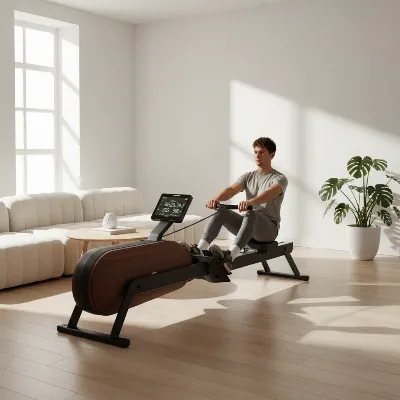 Magnetic rowing machine in a modern apartment, showing its sleek design and quiet operation.
 -
Water Rowing Machine: Designed to mimic the feel of rowing on actual water, these machines use a flywheel submerged in a tank of water. The resistance increases proportionally with your effort, providing a smooth, consistent, and highly realistic stroke. Many users find the sloshing sound of the water soothing. While offering a natural feel, water rowers can be heavier and sometimes require more maintenance (e.g., treating the water). They also tend to be more aesthetically pleasing, often crafted from wood.
-
Air Rowing Machine: The Concept2 RowErg is a prime example of an air rower. These machines use a flywheel with fan blades that spin against the air, creating resistance. Like water rowers, the resistance is dynamic, meaning it increases the harder you pull, offering an authentic rowing sensation that many athletes prefer for its direct correlation to effort. Air rowers are renowned for their durability and consistent data output, making them the standard for competitive indoor rowing. The main drawback often cited is their noise level, which can be louder than magnetic or water machines due to the air movement.
-
Hydraulic Rowing Machine: These are often the most compact and budget-friendly option, using hydraulic cylinders to generate resistance. They are generally very quiet and can be easily stored. However, they typically offer a less fluid and natural rowing motion, often with independent arms that may not engage the entire body as effectively as other types. They might also be less durable for intense, long-term use.
Important Factors to Consider
Once you understand the basic types, several other factors will influence your final decision.
- Size and Weight of the Machine: Measure your available space. While many modern rowers can be stored upright or disassembled, their footprint during use can be significant. The Concept2 RowErg, for instance, splits into two pieces for compact storage and features caster wheels for easy mobility.
- Resistance Level: Ensure the machine offers a resistance range that matches your current fitness level and allows for progression. The Concept2 RowErg provides unlimited air resistance, which adjusts automatically to your stroke intensity, alongside a damper setting to control airflow and the “feel” of the stroke.
- Display Screen and Tracking Features: A good monitor is essential for tracking progress. The Concept2’s PM5 Performance Monitor is an industry benchmark, providing accurate, repeatable data on pace, watts, stroke rate, and calories. It also offers Bluetooth connectivity to various apps, including the free ErgData app, allowing for workout tracking, virtual challenges, and firmware updates.
- Noise Level: This is a critical consideration, especially if you live in an apartment or share your workout space. Air rowers like the Concept2 are generally louder than magnetic or water rowers due to the fan noise, which can reach 70-100 dB during intense use. You might need headphones if listening to media.
- Durability and Material Quality: An investment in a rowing machine should be a long-term one. The Concept2 RowErg is celebrated for its robust construction, utilizing aluminum and steel frames, nickel-plated steel chains, and durable components designed to withstand rigorous use for decades with minimal maintenance.
- Price: Establish a budget, but remember that upfront cost isn’t the only factor. Consider the long-term value, including durability, maintenance costs, and potential resale value. The Concept2 RowErg, while not the cheapest, is often cited as offering exceptional long-term value due to its longevity and high resale potential.
Comparing Popular Rowing Machine Models
When evaluating top-tier rowing machines, the Concept2 RowErg frequently features in comparisons with water and magnetic resistance models. Each offers a unique experience.
| Feature | Air Rowing Machine (Concept2 RowErg) | Water Rowing Machine (e.g., WaterRower) | Magnetic Rowing Machine |
|---|---|---|---|
| Noise Level | High (fan and chain) | Medium (sloshing water) | Low (very quiet) |
| Stroke Feel | Dynamic, powerful, realistic | Smooth, natural, mimics on-water | Consistent, often artificial |
| Price | Mid-range to High | High | Low to Mid-range |
| Durability | Extremely High | High | Medium to High |
| Resistance Control | Damper adjusts airflow, dynamic to effort | Depends on water volume, dynamic to effort | Adjustable manually or electronically |
| Maintenance | Low (chain oiling, flywheel cleaning) | Moderate (water treatment, tank cleaning) | Very Low |
| Aesthetics | Industrial, functional | Often furniture-like (wood) | Modern, compact |
The Concept2 RowErg excels in providing a challenging, dynamic workout that accurately reflects effort, making it the preferred choice for competitive rowers and CrossFit athletes. Its durability is legendary, often lasting 20+ years with minimal maintenance. The primary trade-off is its noise level.
Water rowers offer an aesthetically pleasing design and a natural, soothing on-water feel. They are quieter than air rowers, but the maintenance of the water tank can be a minor inconvenience. They are often chosen for their seamless integration into home decor.
Magnetic rowers are the quietest option, perfect for noise-sensitive environments. They provide a smooth stroke and adjustable resistance, though some users find the resistance feel less “natural” compared to air or water. They are generally a good value for casual users or those prioritizing silence.
Where to Buy a Rowing Machine: Top Brands
Finding a reliable rowing machine is crucial, and knowing where to look and what brands to trust can save you time and ensure a quality purchase.
You can typically purchase rowing machines through various channels, including specialized sports equipment stores and large online retailers. Many reputable brands also offer direct sales through their official websites, which can sometimes provide access to exclusive bundles or better warranty support.
When it comes to trusted names in the rowing machine market, Concept2 stands at the forefront. Their RowErg is globally recognized for its quality, performance, and durability. Other notable brands include WaterRower, known for its beautiful wooden designs and water-based resistance, and NordicTrack, which offers a range of fitness equipment, including rowers often integrated with interactive training platforms.
If you’re buying online, always take the time to read customer reviews thoroughly. These offer invaluable insights into real-world performance, durability, and customer service experiences. Additionally, carefully check the return policy and warranty information before finalizing your purchase to protect your investment.
Using and Maintaining Your Rowing Machine
Getting the most out of your Concept2 RowErg involves not only proper usage but also consistent maintenance. Mastering the correct rowing technique is paramount to prevent injuries and maximize workout effectiveness. Focus on a smooth, coordinated motion involving legs, core, and arms in sequence. Resources from Concept2 and certified rowing coaches can provide detailed guidance on technique.
For workouts, the RowErg is versatile enough for everything from steady-state cardio to high-intensity interval training (HIIT). Its PM5 monitor allows you to track key metrics and even engage in built-in games or connect to apps for structured workouts and community challenges.
Maintenance is straightforward but vital for extending the machine’s lifespan.
- Clean the Monorail: Wipe down the aluminum monorail with a cloth after each use to remove sweat and dust. This prevents black residue buildup and ensures a smooth seat glide.
- Oil the Chain: Concept2 recommends oiling the nickel-plated steel chain every 50 hours of use with a basic 3-in-1 oil. Apply a teaspoon of oil to a cloth and wipe along the entire length of the chain.
- Clean the Flywheel: Periodically, check the flywheel housing for dust and debris. If needed, you can open the housing with a Phillips head screwdriver and use a vacuum to clean the interior to maintain optimal drag factor.
- Check Assembly Hardware: Every 250 hours, inspect all bolts and screws, especially on the legs and frame, to ensure they are tight.
- Update Firmware: Keep the PM5 monitor’s firmware updated using the ErgData app via Bluetooth to access the latest features and improvements.
These simple steps will keep your RowErg running smoothly for years, proving its legendary durability.
Buying Guide for Rowing Machines
Choosing a rowing machine is an important decision for your fitness journey. Let’s recap the essential factors to consider to ensure you pick the right one.
Start by defining your fitness goals and space availability. Are you aiming for intense training, a gentle cardio workout, or something in between? Do you have ample space, or do you need a compact, storable solution? The Concept2 RowErg offers excellent performance and breaks down for storage, but its operational footprint is notable.
Next, consider the resistance type and its implications. Air resistance, as found in the Concept2, offers a dynamic, effort-responsive stroke favored by serious athletes but can be noisy. Water resistance provides a natural feel and pleasing sound but is often heavier. Magnetic resistance is quiet and smooth, ideal for noise-sensitive environments, though sometimes lacking the “real” rowing feel.
Pay close attention to durability and monitor features. A machine built to last, like the Concept2 RowErg with its robust construction, is a wise long-term investment. A good performance monitor, such as the PM5, should provide accurate, comprehensive data and connectivity options to track your progress effectively.
> “The Concept2 RowErg is a testament to functional design; it might not have all the flashy digital bells and whistles, but its core engineering for durability and performance makes it an unmatched training tool.” – Admin, Reviewtifull.com, Rowing Machine Expert
For beginners, consider starting with a machine that offers clear feedback and a smooth, consistent motion to learn proper technique. The Concept2’Erg’s dynamic resistance naturally guides proper stroke mechanics, and its PM5 monitor offers simple “Just Row” functionality.
Common issues often revolve around maintenance. If your seat feels bumpy, clean the monorail and rollers. If the chain feels rough or noisy, it likely needs oiling or cleaning. For loss of resistance, check the flywheel for debris. Most issues are easily remedied with basic maintenance, which speaks volumes about the inherent quality and repairability of well-designed machines like the Concept2.
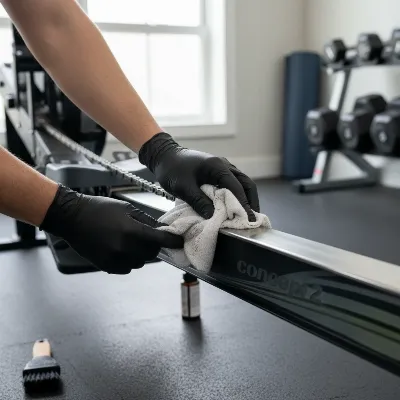 Person performing routine maintenance on a Concept2 RowErg, cleaning the chain and monorail.
Conclusion
The Concept2 RowErg stands as a pillar in the fitness world, renowned for its exceptional durability, precise performance data, and ability to deliver an unparalleled full-body workout. While its air resistance system is louder than some alternatives, this minor trade-off is far outweighed by its robust construction and long-term value. For anyone seeking a reliable, high-performing Rowing Machine that will endure years of rigorous use, the Concept2 RowErg remains the benchmark.
Are you ready to experience the gold standard in indoor rowing and transform your fitness journey?
Frequently Asked Questions
Is the Concept2 RowErg suitable for beginners?
Absolutely. While used by elite athletes, the Concept2 RowErg is also excellent for beginners. Its dynamic air resistance naturally encourages proper technique, and the PM5 monitor provides clear, understandable data to help you track progress from day one.
How loud is the Concept2 RowErg compared to other rowers?
The Concept2 RowErg is an air rower, meaning its fan generates noise, typically ranging from 70-100 dB during use. This is generally louder than magnetic rowers but comparable to or slightly louder than water rowers, making headphones a common choice for users.
What kind of maintenance does the Concept2 RowErg require?
Maintenance is minimal but crucial. It involves regularly wiping down the monorail, oiling the chain every 50 hours of use, and periodically cleaning the flywheel housing. Checking bolts and updating the PM5 firmware also contribute to its longevity.
Can the Concept2 RowErg be stored easily in a small space?
Yes, despite its full size during use, the Concept2 RowErg is designed for convenient storage. It easily separates into two pieces without tools, allowing you to store it compactly in an upright position.
What is the PM5 monitor and why is it important?
The PM5 is the Concept2’s advanced performance monitor, providing highly accurate and repeatable data on workout metrics like pace, watts, stroke rate, and calories. Its Bluetooth connectivity allows integration with fitness apps and virtual challenges, making it a critical tool for tracking and motivating your training.