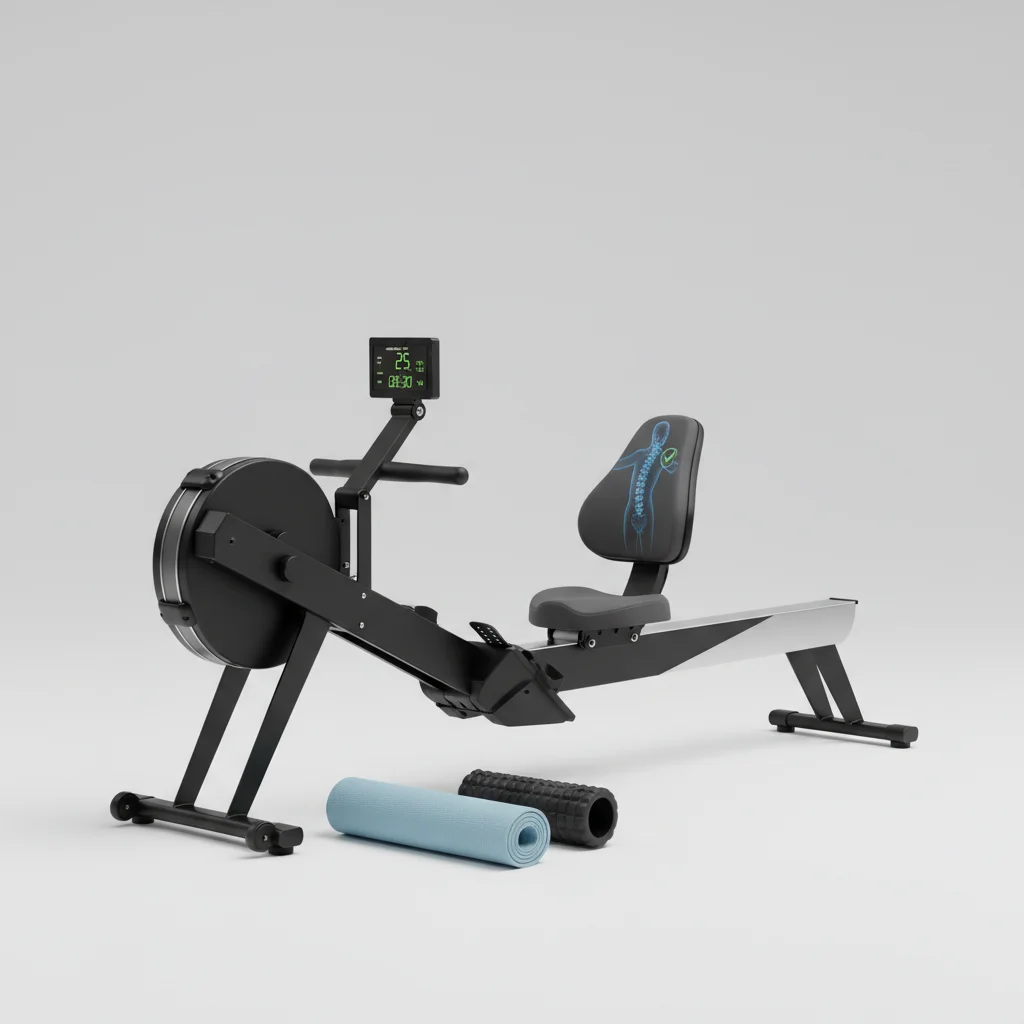
Using a rowing machine can be a safe and effective workout for individuals with back pain, provided proper form is maintained and certain precautions are taken. Studies suggest that low-impact cardiovascular exercises like rowing can strengthen core muscles, which are crucial for supporting the spine and alleviating discomfort. However, improper technique can exacerbate existing conditions, making it essential to understand the correct approach.
Understanding Back Pain and Rowing
Back pain often stems from weak core muscles, poor posture, or repetitive strain. A rowing machine, when used correctly, engages a wide range of muscles including the core, glutes, hamstrings, and upper back. Strengthening these muscle groups can create a more stable and supportive structure for your spine, potentially reducing the incidence and severity of back pain. It’s important to differentiate between acute and chronic back pain; always consult a healthcare professional before starting any new exercise regimen if you have a pre-existing condition.
Proper Rowing Form to Prevent Back Strain
Maintaining correct form is paramount to avoid aggravating back pain. The stroke should be initiated from the legs, followed by the core, and then the arms. Avoid rounding your back at any point, especially during the catch and finish. Keep your core engaged throughout the entire movement, and ensure your shoulders are relaxed and pulled back, not hunched forward. A common mistake is using too much back and arm strength, which puts undue stress on the lumbar spine.
- Start with a light resistance setting.
- Focus on a smooth, controlled motion.
- Engage your core before each stroke.
- Keep your back straight, not rounded.
- Avoid over-reaching at the catch.
Modifying Your Rowing Workout for Back Comfort
|
Our Picks for the Best Rowing Machine in 2026
As an Amazon Associate I earn from qualifying purchases.
|
||
| Num | Product | Action |
|---|---|---|
| 1 | Rowing Machine,Wenoker Magnetic Rower Machine for Home,App Supported 350 LB Weight Capacity, Smooth Whisper Quiet with LCD Monitor Tablet Holder & Comfortable Seat Cushion, Compact and Saves Space |

|
| 2 | Rowing Machine for Home, Magnetic Rower Machine, 350 LB Weight Capacity, 16-Level Silent Resistance Row Machine for Gym Exercise Full-Body Workout Compact Rower with LCD Monitor Tablet Holder |
|
| 3 | Foldable Rowing Machines for Home with Adjustable Large Water Tank & Comfortable Seat for Real Experience Immersive Water Rower, APP Link,Joint 0 Impact 330LBS Weight Capacity; |
|
| 4 | Rowing Machine Magnetic Rower with 16 Resistance Levels, Quiet Home Rowing Machine for Cardio Training, APP Connection, 160 kg Load Capacity, Vertical Storage |
|
| 5 | MERACH Rowing Machines for Home, Magnetic Rowing Machine with 16 Levels, Rower Machine of Quiet Resistance, Dual Slide Rail with Max 350lbs Weight Capacity, App Compatible |
|
| 6 | Rowing Machines for Home,Water Rowing Machine with Foldable Design,400LBS Capacity,LCD Monitor,Smooth Glide Rails,Comfortable Seat,Free App(Bluetooth) Supported for Immersive Water Rower&Home Gym |
|
| 7 | Rowing Machines for Home, 16 Level Adjustable Resistance, Magnetic Rowing Machine with App Supported, 350 LB Weight Capacity, Upgraded Dual Slide Rails with LCD Data Display Screen |
|
| 8 | Rowing Machine for Home, 350 LB Capacity, 16-Level Silent Resistance, Magnetic Rowing Machines for Home Foldable, Full-Body Workout Compact Rowing Machine for Cardio & Strength with APP Support |
|
| 9 | Rowing Machine for Home, 16 Resistance Levels, Quiet Magnetic Rower with APP, 350 LB Weight Capacity, Easy Assembly, Compact and Saves Space |
|
| 10 | Rowing Machine,Wenoker Magnetic Rower Machine for Home,App Supported 350 LB Weight Capacity, Smooth Whisper Quiet with LCD Monitor Tablet Holder & Comfortable Seat Cushion, Compact and Saves Space |
|
If you experience discomfort, several modifications can make rowing more back-friendly. Consider shorter, more frequent sessions rather than one long workout. You might also benefit from using a seat cushion for added support and comfort. Some rowers find that adjusting the foot straps to a slightly lower position can help maintain a more upright posture. Always listen to your body and stop if you feel any sharp or increasing pain.
Choosing the Right Rowing Machine
The type of rowing machine can also influence comfort for those with back pain. Water and air resistance rowers often provide a smoother, more fluid motion compared to magnetic rowers, which can sometimes feel more abrupt. Consider models with ergonomic seats and adjustable footrests to ensure a personalized fit. High-quality machines often offer a more stable and supportive experience, which is beneficial for spinal alignment.
For those seeking a comfortable and effective rowing experience, we recommend checking out thefor its smooth operation and ergonomic design. Another excellent option, particularly for its adjustable features and robust build, is the.
Integrating Rowing into a Holistic Back Care Plan
Rowing should be part of a broader approach to managing back pain, which may include stretching, strength training for other muscle groups, and maintaining a healthy weight. Regular stretching, especially for the hamstrings and hip flexors, can improve flexibility and reduce tension that contributes to back pain. Combining rowing with other low-impact activities like walking or swimming can provide a well-rounded fitness routine that supports spinal health.
Equipment that holds up past 60 sessions
Free PDF — 60-session wear log template + 5 treadmills compared.
