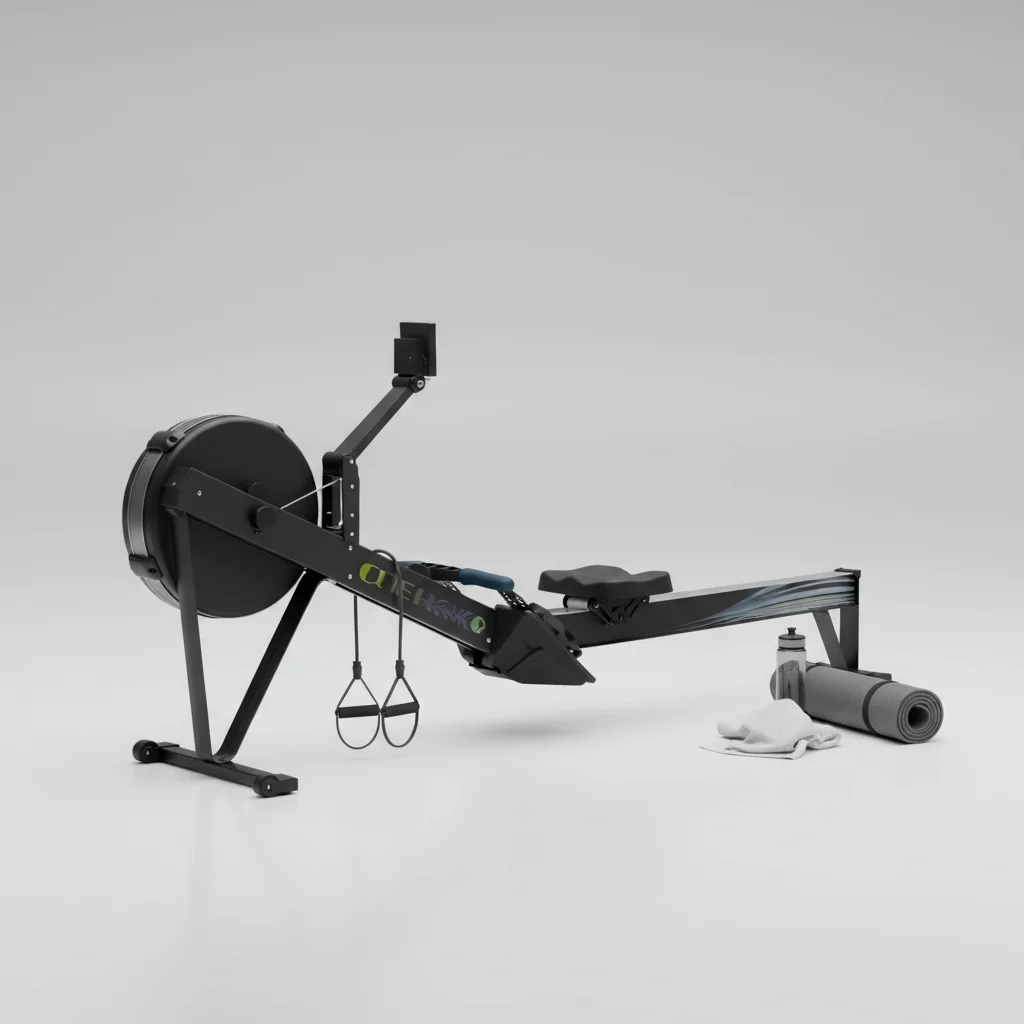
For optimal results from your rowing machine workouts, aim for three to five days a week. This frequency allows for consistent cardiovascular conditioning and muscle engagement without overtraining, providing a balance between intensity and recovery. The exact number of days can vary based on your fitness level, specific goals, and the intensity of each session.
Understanding Workout Frequency for Rowing
When integrating a rowing machine into your fitness routine, consistency is key. Working out too infrequently might not yield the desired results, while overtraining can lead to burnout or injury. For beginners, starting with three days a week allows the body to adapt to the new demands. As your stamina and strength improve, you can gradually increase to four or five days, ensuring you still incorporate rest days for muscle repair and growth. For explore our home fitness reviews on this site.
Consider the duration and intensity of your sessions. Shorter, high-intensity interval training (HIIT) sessions might require more recovery time than longer, steady-state cardio workouts. Listening to your body and adjusting your schedule accordingly is crucial for long-term success and injury prevention.
Structuring Your Weekly Rowing Schedule
A well-structured weekly schedule can maximize the benefits of your rowing machine. For example, you might alternate between steady-state cardio days and more intense interval training days. A common approach is to row on Monday, Wednesday, and Friday, leaving Tuesday, Thursday, and the weekend for other activities or active recovery. If you’re aiming for five days, you could row Monday through Friday, ensuring your weekend is dedicated to rest.
- Monday: 30-minute steady-state row (moderate intensity)
- Tuesday: Rest or light cross-training
- Wednesday: 20-minute HIIT row (e.g., 1 minute on, 1 minute off)
- Thursday: Rest or light cross-training
- Friday: 45-minute endurance row (low to moderate intensity)
- Saturday: Active recovery (e.g., walking, stretching)
- Sunday: Complete rest
This structure provides variety and targets different energy systems, leading to comprehensive fitness improvements. Remember to always include a warm-up before and a cool-down after each session.
Benefits of Consistent Rowing Machine Use
|
Our Picks for the Best Rowing Machine in 2026
As an Amazon Associate I earn from qualifying purchases.
|
||
| Num | Product | Action |
|---|---|---|
| 1 | Foldable Rowing Machines for Home with Adjustable Large Water Tank & Comfortable Seat for Real Experience Immersive Water Rower, APP Link,Joint 0 Impact 330LBS Weight Capacity; |

|
| 2 | MERACH Rowing Machines for Home, Magnetic Rowing Machine with 16 Levels, Rower Machine of Quiet Resistance, Dual Slide Rail with Max 350lbs Weight Capacity, App Compatible |
|
| 3 | Rowing Machine for Home, 350 LB Capacity, 16-Level Silent Resistance, Magnetic Rowing Machines for Home Foldable, Full-Body Workout Compact Rowing Machine for Cardio & Strength with APP Support |
|
| 4 | Rowing Machine for Home, 16 Resistance Levels, Quiet Magnetic Rower with APP, 350 LB Weight Capacity, Easy Assembly, Compact and Saves Space |
|
| 5 | Rowing Machine,Wenoker Magnetic Rower Machine for Home,App Supported 350 LB Weight Capacity, Smooth Whisper Quiet with LCD Monitor Tablet Holder & Comfortable Seat Cushion, Compact and Saves Space |
|
| 6 | Rowing Machines for Home,Water Rowing Machine with Foldable Design,400LBS Capacity,LCD Monitor,Smooth Glide Rails,Comfortable Seat,Free App(Bluetooth) Supported for Immersive Water Rower&Home Gym |
|
| 7 | Rowing Machine Magnetic Rower with 16 Resistance Levels, Quiet Home Rowing Machine for Cardio Training, APP Connection, 160 kg Load Capacity, Vertical Storage |
|
| 8 | Rowing Machine,Wenoker Magnetic Rower Machine for Home,App Supported 350 LB Weight Capacity, Smooth Whisper Quiet with LCD Monitor Tablet Holder & Comfortable Seat Cushion, Compact and Saves Space |
|
| 9 | Rowing Machine for Home, Magnetic Rower Machine, 350 LB Weight Capacity, 16-Level Silent Resistance Row Machine for Gym Exercise Full-Body Workout Compact Rower with LCD Monitor Tablet Holder |
|
| 10 | Rowing Machines for Home, 16 Level Adjustable Resistance, Magnetic Rowing Machine with App Supported, 350 LB Weight Capacity, Upgraded Dual Slide Rails with LCD Data Display Screen |
|
Consistent use of a rowing machine offers a multitude of health benefits. It’s a full-body workout that engages approximately 85% of your muscles, including your legs, core, back, and arms. This comprehensive engagement contributes to improved cardiovascular health, increased muscular endurance, and enhanced strength. Regular rowing can also aid in weight management by burning a significant number of calories per session.
Beyond the physical benefits, rowing can also contribute to mental well-being. The rhythmic motion can be meditative, helping to reduce stress and improve focus. The low-impact nature of rowing makes it suitable for individuals of various fitness levels and ages, minimizing strain on joints compared to high-impact activities.
Integrating Rest and Recovery
Rest and recovery are just as important as the workouts themselves. During rest periods, your muscles repair and rebuild, becoming stronger. Without adequate recovery, you risk overtraining, which can manifest as fatigue, decreased performance, increased susceptibility to illness, and even injury. Active recovery, such as light stretching or walking, can help improve blood flow and reduce muscle soreness without putting undue stress on your body.
Ensure you are also prioritizing sleep and nutrition. A balanced diet provides the necessary fuel for your workouts and the nutrients required for recovery. Aim for 7-9 hours of quality sleep each night to allow your body to fully recuperate and prepare for the next session.
Adjusting Frequency for Specific Goals
Your specific fitness goals will influence the ideal frequency of your rowing machine workouts. If your primary goal is weight loss, a higher frequency of four to five days a week combined with a calorie-controlled diet might be more effective. For building endurance, longer, steady-state sessions three to four times a week could be sufficient. If you’re training for a specific rowing event, your schedule will likely be more structured and intense, potentially involving daily sessions with varying intensities.
Always consult with a fitness professional if you are unsure about the best frequency and intensity for your individual needs and health conditions. They can help you create a personalized plan that aligns with your goals and ensures your safety.
Equipment that holds up past 60 sessions
Free PDF — 60-session wear log template + 5 treadmills compared.
