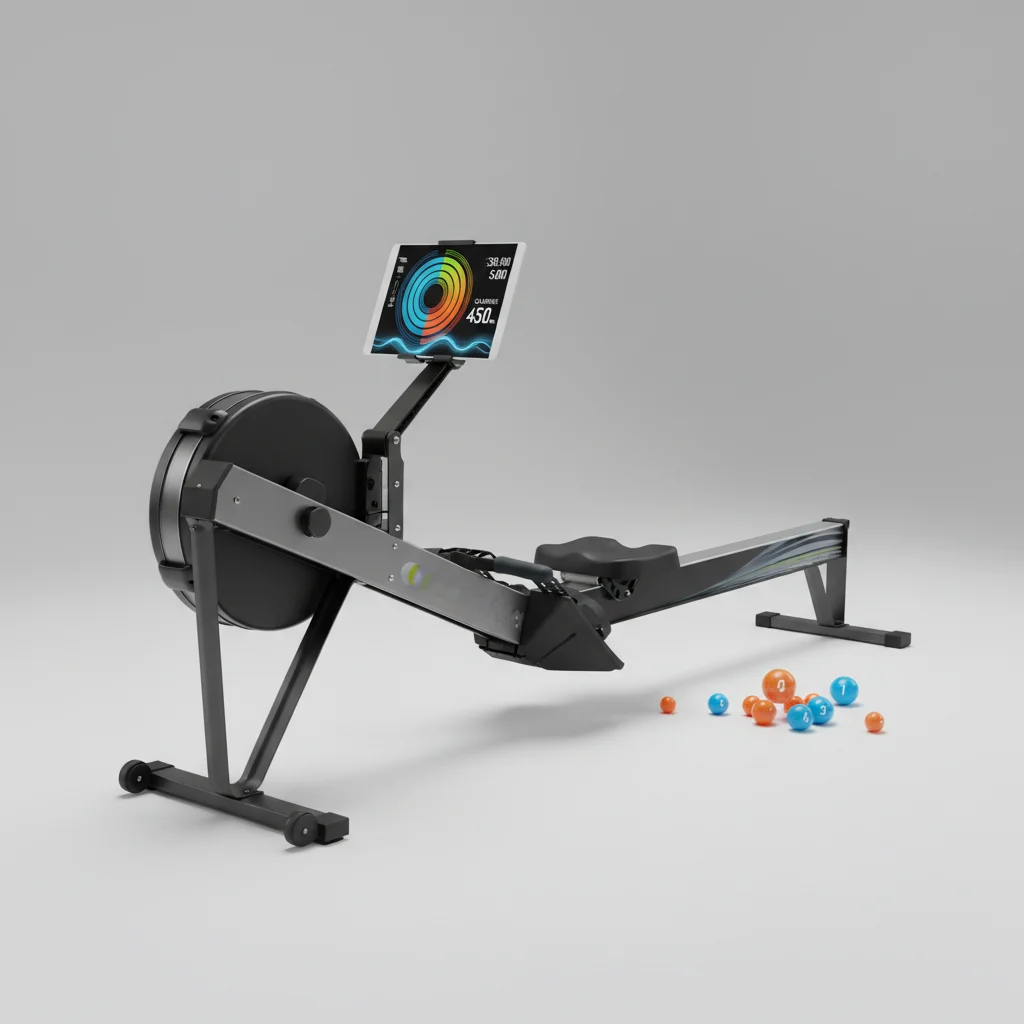
Rowing machines offer a comprehensive full-body workout that can significantly contribute to your fitness goals, particularly in calorie expenditure. On average, a person weighing 150 pounds can burn approximately 250-350 calories during a 30-minute moderate-intensity rowing session. This makes rowing an incredibly efficient exercise for weight management and cardiovascular health.
Understanding Calorie Burn on a Rower
The exact number of calories you burn while rowing depends on several factors, including your body weight, the intensity of your workout, and your individual metabolism. Heavier individuals generally burn more calories because their bodies require more energy to move. Similarly, increasing your stroke rate and resistance level will improve your heart rate and, consequently, your calorie burn.
Many modern rowing machines come equipped with performance monitors that can estimate calorie expenditure. While these are good approximations, they may not be perfectly accurate as they don’t account for every individual physiological difference. For a more precise measurement, some athletes use heart rate monitors in conjunction with their rowing machine data.
Full-Body Muscle Engagement
One of the key advantages of rowing is its ability to engage a vast array of muscle groups simultaneously. A single stroke utilizes muscles in your legs (quadriceps, hamstrings, glutes), core (abdominals, obliques, lower back), and upper body (lats, rhomboids, biceps, triceps, shoulders). This full-body activation contributes to a higher calorie burn compared to exercises that isolate fewer muscle groups.
The coordinated effort required to execute a proper rowing stroke also improves muscular endurance and strength. Regular rowing can lead to improved posture and a more balanced physique, as it works both pushing and pulling muscles.
Cardiovascular Health and Stamina
|
Our Picks for the Best Rowing Machine in 2026
As an Amazon Associate I earn from qualifying purchases.
|
||
| Num | Product | Action |
|---|---|---|
| 1 | Rowing Machine for Home, Magnetic Rower Machine, 350 LB Weight Capacity, 16-Level Silent Resistance Row Machine for Gym Exercise Full-Body Workout Compact Rower with LCD Monitor Tablet Holder |

|
| 2 | Rowing Machines for Home, 16 Level Adjustable Resistance, Magnetic Rowing Machine with App Supported, 350 LB Weight Capacity, Upgraded Dual Slide Rails with LCD Data Display Screen |
|
| 3 | Rowing Machine for Home, 16 Resistance Levels, Quiet Magnetic Rower with APP, 350 LB Weight Capacity, Easy Assembly, Compact and Saves Space |
|
| 4 | MERACH Rowing Machines for Home, Magnetic Rowing Machine with 16 Levels, Rower Machine of Quiet Resistance, Dual Slide Rail with Max 350lbs Weight Capacity, App Compatible |
|
| 5 | Rowing Machine for Home, 350 LB Capacity, 16-Level Silent Resistance, Magnetic Rowing Machines for Home Foldable, Full-Body Workout Compact Rowing Machine for Cardio & Strength with APP Support |
|
| 6 | Rowing Machine,Wenoker Magnetic Rower Machine for Home,App Supported 350 LB Weight Capacity, Smooth Whisper Quiet with LCD Monitor Tablet Holder & Comfortable Seat Cushion, Compact and Saves Space |
|
| 7 | Rowing Machine,Wenoker Magnetic Rower Machine for Home,App Supported 350 LB Weight Capacity, Smooth Whisper Quiet with LCD Monitor Tablet Holder & Comfortable Seat Cushion, Compact and Saves Space |
|
| 8 | Rowing Machine Magnetic Rower with 16 Resistance Levels, Quiet Home Rowing Machine for Cardio Training, APP Connection, 160 kg Load Capacity, Vertical Storage |
|
| 9 | Foldable Rowing Machines for Home with Adjustable Large Water Tank & Comfortable Seat for Real Experience Immersive Water Rower, APP Link,Joint 0 Impact 330LBS Weight Capacity; |
|
| 10 | Rowing Machines for Home,Water Rowing Machine with Foldable Design,400LBS Capacity,LCD Monitor,Smooth Glide Rails,Comfortable Seat,Free App(Bluetooth) Supported for Immersive Water Rower&Home Gym |
|
Beyond calorie burning, rowing is an excellent cardiovascular exercise. It elevates your heart rate and improves lung capacity, strengthening your heart and circulatory system. Consistent rowing can lead to a reduction in resting heart rate and blood pressure, contributing to overall heart health.
Incorporating interval training into your rowing routine can further enhance cardiovascular benefits and calorie expenditure. Alternating between periods of high intensity and active recovery challenges your body in different ways, leading to greater fitness adaptations.
Maximizing Your Rowing Workout for Calorie Burn
To get the most out of your rowing machine for calorie burning, focus on proper technique. A powerful leg drive, followed by a strong core and arm pull, ensures maximum muscle engagement. Avoid relying too heavily on your arms, as the power should primarily come from your legs.
- Maintain a consistent stroke rate between 20-30 strokes per minute for endurance.
- Incorporate high-intensity intervals (e.g., 1 minute hard, 1 minute easy) to boost metabolism.
- Increase resistance levels gradually as your strength improves.
- Ensure a full range of motion for each stroke.
- Stay hydrated before, during, and after your workout.
that consistency is key. Regular rowing sessions, combined with a balanced diet, will yield the best results for calorie burning and overall fitness.
Beyond Calories: Other Health Benefits
While calorie burning is a significant benefit, rowing offers a multitude of other health advantages. It’s a low-impact exercise, making it gentle on joints compared to activities like running. This makes it suitable for individuals of all fitness levels and ages, including those recovering from injuries or looking for a sustainable long-term fitness solution.
Rowing can also be a great stress reliever. The rhythmic motion and focus required can be meditative, helping to clear your mind and reduce tension. The sense of accomplishment after a challenging workout can boost mood and self-esteem.
Equipment that holds up past 60 sessions
Free PDF — 60-session wear log template + 5 treadmills compared.
