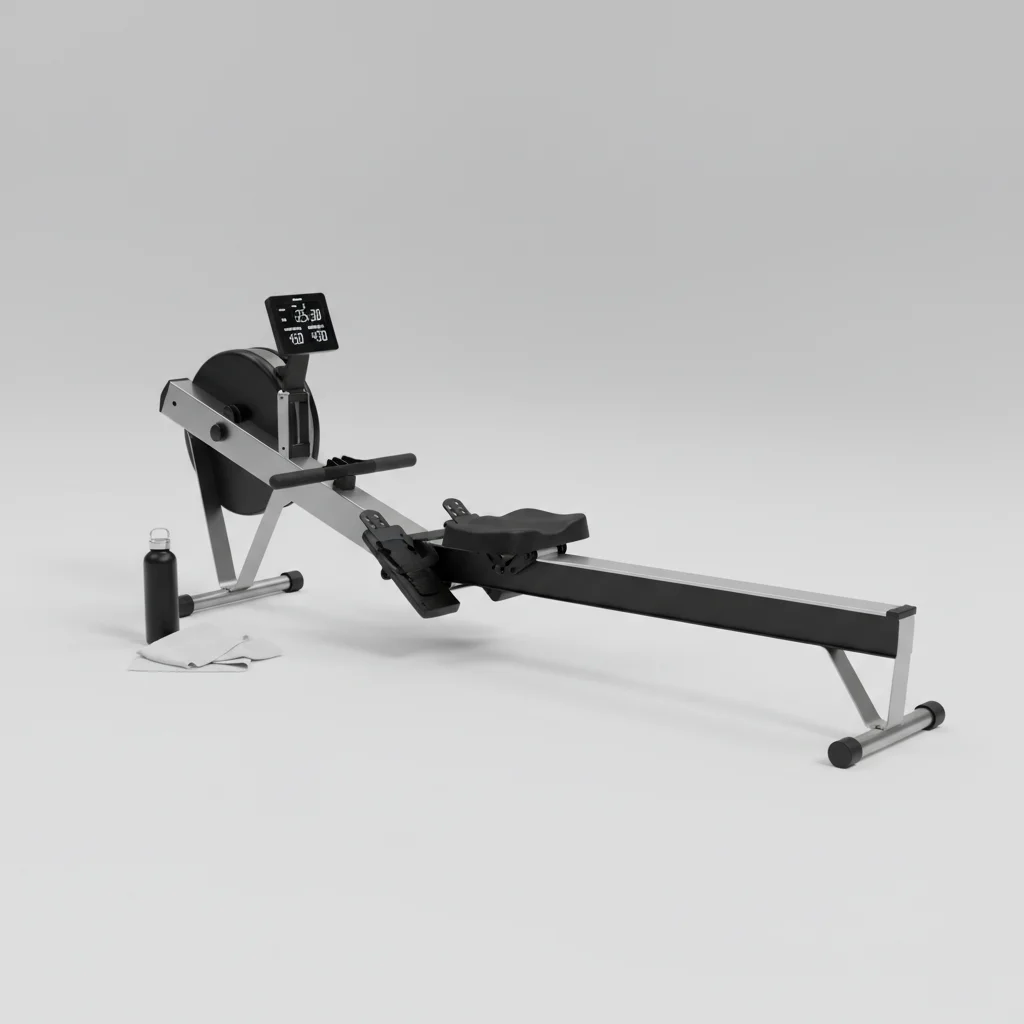
Using a rowing machine for weight loss can be highly effective, with individuals potentially losing 1-2 pounds per week when combined with a balanced diet. This rate is considered healthy and sustainable, focusing on consistent effort and proper technique to maximize calorie expenditure and build lean muscle mass.
Understanding Calorie Deficit for Weight Loss
Weight loss fundamentally relies on creating a calorie deficit, meaning you burn more calories than you consume. A rowing machine is an excellent tool for achieving this, as it engages nearly 85% of your body’s muscles, leading to significant calorie burn. For every 3,500 calories you burn beyond your intake, you can expect to lose approximately one pound of body fat. Consistency in your rowing routine is key to accumulating this deficit over time.
Factors like your current weight, intensity of your workout, and duration of your sessions all influence the total calories burned. A person weighing 150 pounds can burn around 250-300 calories in 30 minutes of moderate rowing, while a 200-pound individual might burn 350-400 calories in the same timeframe. Tailoring your diet to support this calorie deficit is crucial for seeing tangible results.
Optimizing Your Rowing Workouts for Fat Burning
To maximize fat burning with your rowing machine, incorporate a variety of workout intensities. High-Intensity Interval Training (HIIT) on a rower can be particularly effective, alternating between short bursts of maximum effort and periods of active recovery. This method not only burns more calories during the workout but also creates an ‘afterburn effect,’ where your body continues to burn calories at an elevated rate post-exercise.
Longer, steady-state cardio sessions, performed at a moderate intensity for 45-60 minutes, also contribute significantly to calorie expenditure and cardiovascular health. Combining both HIIT and steady-state rowing throughout your week will provide a comprehensive approach to weight loss and fitness. Remember to maintain proper form to prevent injury and ensure efficient muscle engagement.
The Role of Diet and Nutrition in Weight Loss
|
Our Picks for the Best Rowing Machine in 2026
As an Amazon Associate I earn from qualifying purchases.
|
||
| Num | Product | Action |
|---|---|---|
| 1 | Rowing Machine for Home, Magnetic Rower Machine, 350 LB Weight Capacity, 16-Level Silent Resistance Row Machine for Gym Exercise Full-Body Workout Compact Rower with LCD Monitor Tablet Holder |

|
| 2 | MERACH Rowing Machines for Home, Magnetic Rowing Machine with 16 Levels, Rower Machine of Quiet Resistance, Dual Slide Rail with Max 350lbs Weight Capacity, App Compatible |
|
| 3 | Rowing Machine for Home, 350 LB Capacity, 16-Level Silent Resistance, Magnetic Rowing Machines for Home Foldable, Full-Body Workout Compact Rowing Machine for Cardio & Strength with APP Support |
|
| 4 | Foldable Rowing Machines for Home with Adjustable Large Water Tank & Comfortable Seat for Real Experience Immersive Water Rower, APP Link,Joint 0 Impact 330LBS Weight Capacity; |
|
| 5 | Rowing Machine,Wenoker Magnetic Rower Machine for Home,App Supported 350 LB Weight Capacity, Smooth Whisper Quiet with LCD Monitor Tablet Holder & Comfortable Seat Cushion, Compact and Saves Space |
|
| 6 | Rowing Machine,Wenoker Magnetic Rower Machine for Home,App Supported 350 LB Weight Capacity, Smooth Whisper Quiet with LCD Monitor Tablet Holder & Comfortable Seat Cushion, Compact and Saves Space |
|
| 7 | Rowing Machines for Home,Water Rowing Machine with Foldable Design,400LBS Capacity,LCD Monitor,Smooth Glide Rails,Comfortable Seat,Free App(Bluetooth) Supported for Immersive Water Rower&Home Gym |
|
| 8 | Rowing Machine Magnetic Rower with 16 Resistance Levels, Quiet Home Rowing Machine for Cardio Training, APP Connection, 160 kg Load Capacity, Vertical Storage |
|
| 9 | Rowing Machines for Home, 16 Level Adjustable Resistance, Magnetic Rowing Machine with App Supported, 350 LB Weight Capacity, Upgraded Dual Slide Rails with LCD Data Display Screen |
|
| 10 | Rowing Machine for Home, 16 Resistance Levels, Quiet Magnetic Rower with APP, 350 LB Weight Capacity, Easy Assembly, Compact and Saves Space |
|
While rowing is a powerful exercise, diet plays an equally, if not more, important role in weight loss. Focusing on whole, unprocessed foods, lean proteins, healthy fats, and complex carbohydrates will fuel your workouts and support muscle recovery. Reducing intake of sugary drinks, processed snacks, and excessive saturated fats is essential for creating and maintaining a calorie deficit.
Hydration is also critical; drinking plenty of water throughout the day can help with satiety and metabolic function. Consider consulting a nutritionist or dietitian to develop a personalized meal plan that complements your rowing routine and weight loss goals. Small, consistent dietary changes combined with regular rowing will yield the best long-term results.
Building Muscle and Boosting Metabolism
Beyond calorie burning, rowing helps build lean muscle mass, which is beneficial for weight loss. Muscle tissue burns more calories at rest than fat tissue, meaning a higher muscle-to-fat ratio can increase your basal metabolic rate (BMR). This metabolic boost helps you burn more calories even when you’re not exercising, making weight management easier in the long run.
Regular rowing strengthens major muscle groups including your legs, core, back, and arms. This full-body engagement not only contributes to muscle development but also improves overall strength and endurance, making daily activities easier and enhancing your quality of life.
Tracking Progress and Staying Motivated
Tracking your progress is vital for staying motivated on your weight loss journey. Monitor metrics such as calories burned, distance rowed, and workout duration. Many modern rowing machines come with integrated monitors that can help you track these statistics. Additionally, taking regular body measurements and progress photos can provide a visual representation of your achievements beyond just the number on the scale.
- Set realistic weekly weight loss goals (e.g., 1-2 pounds).
- Log your workouts and dietary intake consistently.
- Celebrate small victories to maintain momentum.
- Vary your rowing routines to prevent boredom and challenge different muscle groups.
- Consider joining an online rowing community for support and inspiration.
Remember that weight loss is a journey, not a race. There will be plateaus and challenges, but consistency and perseverance are key. Focus on sustainable habits that you can maintain long-term for lasting results.
Potential Weight Loss Over Time with Consistent Rowing
With consistent effort, a balanced diet, and a regular rowing routine, you can expect to see significant weight loss over several months. For example, if you consistently lose 1.5 pounds per week, you could potentially lose 6 pounds in a month, and up to 18 pounds in three months. These numbers are achievable and represent a healthy rate of weight loss that is more likely to be sustained. The key is to make rowing a regular part of your fitness regimen and to make mindful dietary choices every day.
Equipment that holds up past 60 sessions
Free PDF — 60-session wear log template + 5 treadmills compared.
