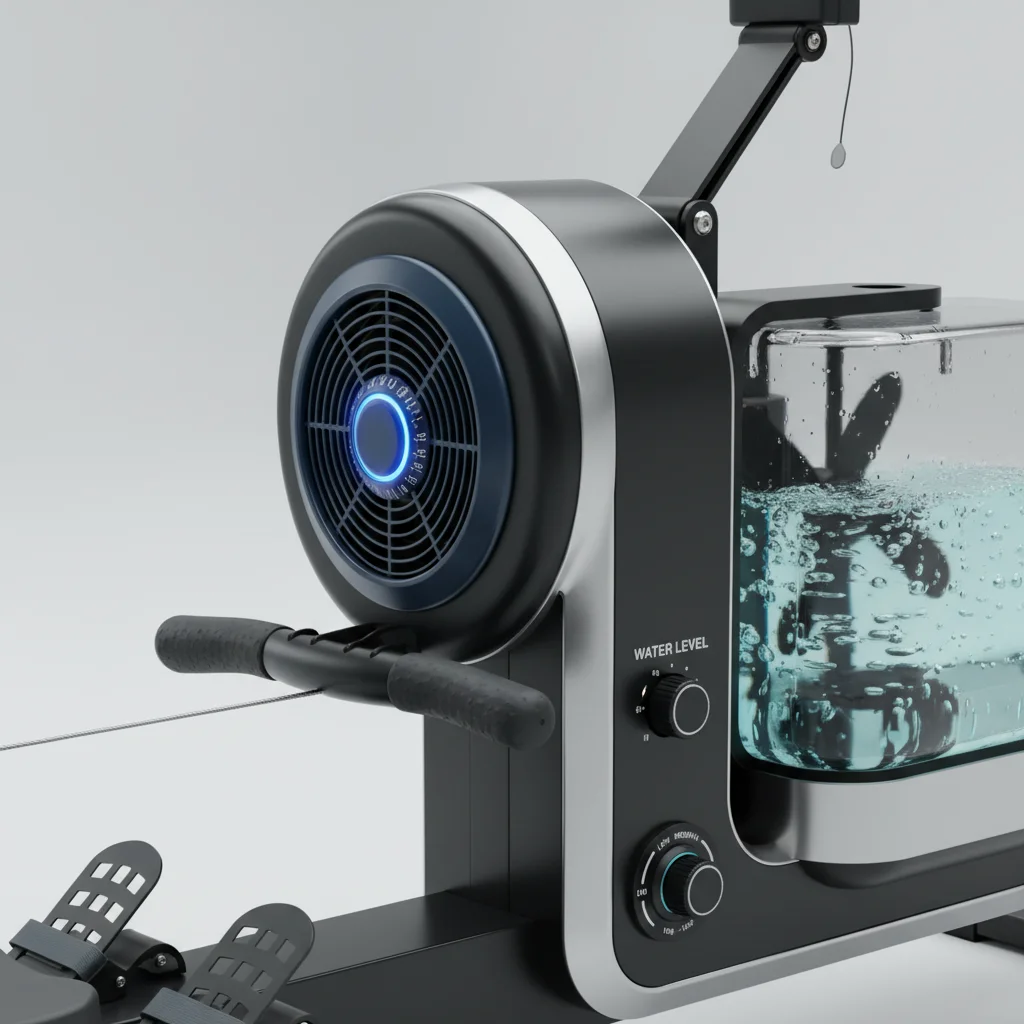
The ideal number of rowing machine resistance levels you need depends entirely on your fitness goals and experience. For most beginners and intermediate users focusing on general fitness, a machine with 8 to 12 distinct resistance levels offers sufficient versatility. Advanced athletes or those seeking very specific training protocols might benefit from machines offering 16 or more levels, or those with dynamic resistance types like air or water that adjust with effort.
Understanding Resistance Types
Rowing machines primarily use four types of resistance: air, water, magnetic, and hydraulic. Air resistance rowers, like those from Concept2, provide a dynamic feel where resistance increases with the intensity of your pull. Water rowers mimic the feel of rowing on water, offering smooth, self-regulating resistance. Magnetic rowers use magnets to create resistance, often providing a quieter operation and a wide range of adjustable levels. Hydraulic piston rowers are typically more compact and budget-friendly, offering resistance through hydraulic cylinders.
Each resistance type has its own advantages and disadvantages. Air and water rowers are often preferred for their realistic feel and ability to provide a full-body workout that scales with your effort. Magnetic and hydraulic rowers, while sometimes less dynamic, offer consistent resistance and can be excellent for targeted strength training or quiet workouts.
Matching Resistance to Your Fitness Goals
If your goal is cardiovascular fitness and endurance, a machine with fewer, but well-defined, resistance levels might suffice, as you’ll primarily be focusing on stroke rate and duration. For strength building, a wider range of higher resistance levels is crucial to progressively challenge your muscles. Interval training benefits from machines that allow for quick and easy adjustments between high and low resistance settings.
- Beginners: 8-10 levels for gradual progression.
- Intermediate Users: 10-14 levels for varied workouts.
- Advanced Athletes: 14+ levels or dynamic resistance for intense training.
- Rehabilitation: Lower, consistent levels for controlled movement.
- General Fitness: 8-12 levels for a balanced routine.
Adjusting Resistance for Optimal Workouts
|
Our Picks for the Best Rowing Machine in 2026
As an Amazon Associate I earn from qualifying purchases.
|
||
| Num | Product | Action |
|---|---|---|
| 1 | Rowing Machine for Home, Magnetic Rower Machine, 350 LB Weight Capacity, 16-Level Silent Resistance Row Machine for Gym Exercise Full-Body Workout Compact Rower with LCD Monitor Tablet Holder |

|
| 2 | Rowing Machine for Home, 350 LB Capacity, 16-Level Silent Resistance, Magnetic Rowing Machines for Home Foldable, Full-Body Workout Compact Rowing Machine for Cardio & Strength with APP Support |
|
| 3 | Rowing Machine for Home, 16 Resistance Levels, Quiet Magnetic Rower with APP, 350 LB Weight Capacity, Easy Assembly, Compact and Saves Space |
|
| 4 | Rowing Machines for Home, 16 Level Adjustable Resistance, Magnetic Rowing Machine with App Supported, 350 LB Weight Capacity, Upgraded Dual Slide Rails with LCD Data Display Screen |
|
| 5 | Rowing Machines for Home,Water Rowing Machine with Foldable Design,400LBS Capacity,LCD Monitor,Smooth Glide Rails,Comfortable Seat,Free App(Bluetooth) Supported for Immersive Water Rower&Home Gym |
|
| 6 | Rowing Machine,Wenoker Magnetic Rower Machine for Home,App Supported 350 LB Weight Capacity, Smooth Whisper Quiet with LCD Monitor Tablet Holder & Comfortable Seat Cushion, Compact and Saves Space |
|
| 7 | MERACH Rowing Machines for Home, Magnetic Rowing Machine with 16 Levels, Rower Machine of Quiet Resistance, Dual Slide Rail with Max 350lbs Weight Capacity, App Compatible |
|
| 8 | Rowing Machine,Wenoker Magnetic Rower Machine for Home,App Supported 350 LB Weight Capacity, Smooth Whisper Quiet with LCD Monitor Tablet Holder & Comfortable Seat Cushion, Compact and Saves Space |
|
| 9 | Foldable Rowing Machines for Home with Adjustable Large Water Tank & Comfortable Seat for Real Experience Immersive Water Rower, APP Link,Joint 0 Impact 330LBS Weight Capacity; |
|
| 10 | Rowing Machine Magnetic Rower with 16 Resistance Levels, Quiet Home Rowing Machine for Cardio Training, APP Connection, 160 kg Load Capacity, Vertical Storage |
|
Properly adjusting your rowing machine’s resistance is key to an effective workout. Too low, and you won’t engage your muscles sufficiently; too high, and you risk injury or poor form. Start with a moderate resistance level that allows you to maintain good technique for the entire stroke. As your strength and endurance improve, gradually increase the resistance. higher resistance doesn’t always mean a better workout; sometimes, a lower resistance with a higher stroke rate can be more effective for cardiovascular conditioning.
Many modern rowing machines offer digital displays that show your current resistance level and provide feedback on your performance. Experiment with different settings to find what works best for various types of workouts, from long, steady-state rows to short, intense intervals.
Considering Machine Features and Price
Beyond the sheer number of resistance levels, consider other features that impact your rowing experience. A comfortable seat, ergonomic handle, and clear performance monitor are all important. The price point often correlates with the quality and number of resistance levels, as well as the overall build of the machine. While budget-friendly options might offer fewer levels, they can still provide an excellent workout for many users.
Investing in a machine with a robust resistance system ensures longevity and adaptability as your fitness journey evolves. Read reviews and compare models to find a rower that not only meets your current needs but also allows for future growth.
Equipment that holds up past 60 sessions
Free PDF — 60-session wear log template + 5 treadmills compared.
