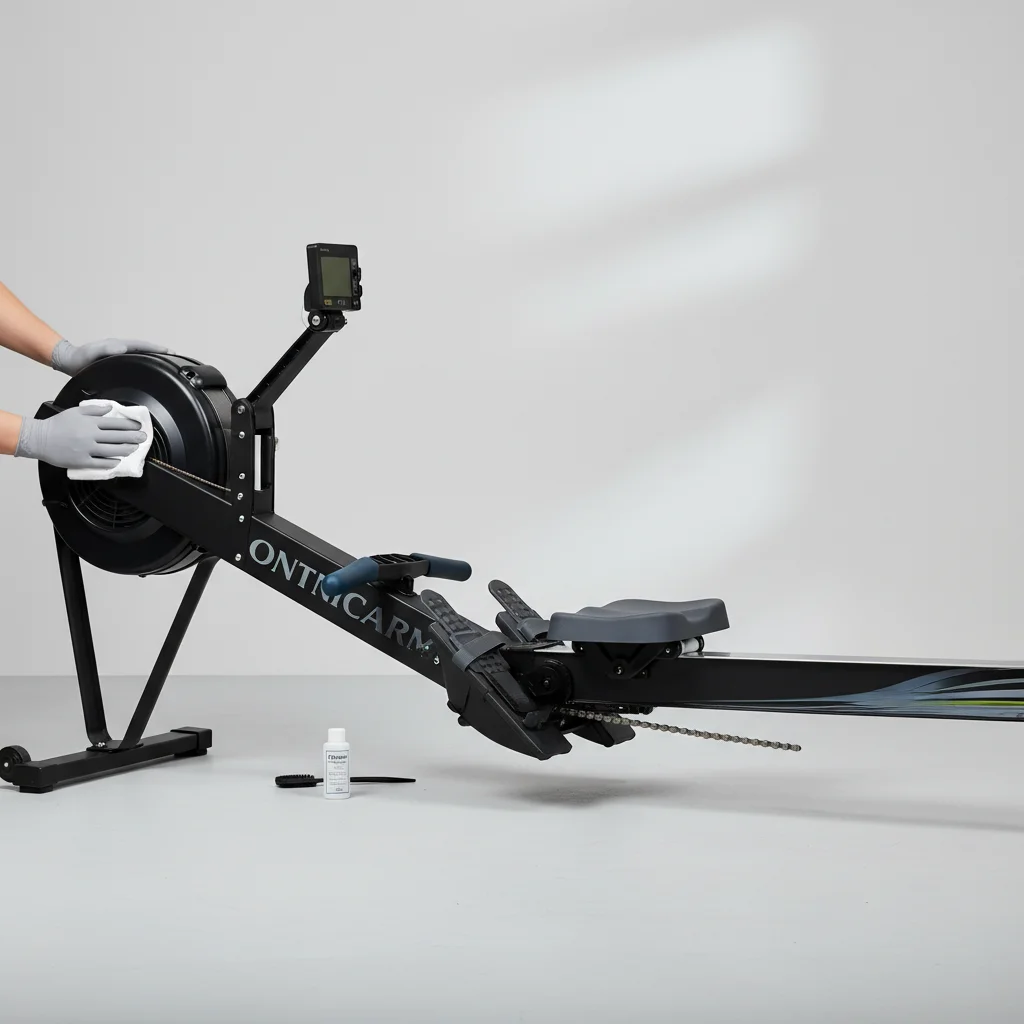
Maintaining your rowing machine is crucial for its longevity and optimal performance. Generally, you should aim to clean your rower at least once a week for light users, and after every use for heavy or multiple users, with a deeper cleaning performed monthly. This routine prevents dust and grime buildup, ensuring smooth operation and extending the life of your equipment.
Daily and Weekly Cleaning Essentials
For daily or after-use cleaning, a quick wipe-down of the seat, handle, and rail is sufficient. Use a damp cloth with a mild, non-abrasive cleaner to remove sweat and dirt. This prevents the accumulation of corrosive substances that can degrade materials over time. Pay particular attention to the handle, as it’s a high-contact area.
Weekly cleaning should involve a more thorough wipe-down of the entire frame, including the monitor and footrests. Check for any visible dust or debris in crevices and use a vacuum cleaner with a brush attachment if necessary. This routine helps maintain hygiene and prevents minor issues from escalating.
Monthly Deep Cleaning and Inspection
Once a month, dedicate time for a deeper clean and inspection. This involves cleaning the rail more thoroughly, checking the chain or belt for tension and wear, and inspecting all nuts and bolts for tightness. For water rowers, consider changing the water every 3-6 months, depending on usage, and using purification tablets to prevent algae growth. For air or magnetic rowers, ensure the fan cage or flywheel area is free of obstructions.
- Wipe down all surfaces with a gentle cleaner.
- Inspect the chain or belt for proper tension and lubrication.
- Tighten any loose bolts or screws.
- Clean the monitor screen with a microfiber cloth.
- Check foot straps for wear and tear.
Addressing Specific Components: Seat, Rail, and Chain
|
Our Picks for the Best Rowing Machine in 2026
As an Amazon Associate I earn from qualifying purchases.
|
||
| Num | Product | Action |
|---|---|---|
| 1 | Rowing Machine for Home, Magnetic Rower Machine, 350 LB Weight Capacity, 16-Level Silent Resistance Row Machine for Gym Exercise Full-Body Workout Compact Rower with LCD Monitor Tablet Holder |

|
| 2 | Rowing Machine,Wenoker Magnetic Rower Machine for Home,App Supported 350 LB Weight Capacity, Smooth Whisper Quiet with LCD Monitor Tablet Holder & Comfortable Seat Cushion, Compact and Saves Space |
|
| 3 | Foldable Rowing Machines for Home with Adjustable Large Water Tank & Comfortable Seat for Real Experience Immersive Water Rower, APP Link,Joint 0 Impact 330LBS Weight Capacity; |
|
| 4 | Rowing Machine for Home, 350 LB Capacity, 16-Level Silent Resistance, Magnetic Rowing Machines for Home Foldable, Full-Body Workout Compact Rowing Machine for Cardio & Strength with APP Support |
|
| 5 | Rowing Machines for Home,Water Rowing Machine with Foldable Design,400LBS Capacity,LCD Monitor,Smooth Glide Rails,Comfortable Seat,Free App(Bluetooth) Supported for Immersive Water Rower&Home Gym |
|
| 6 | Rowing Machine,Wenoker Magnetic Rower Machine for Home,App Supported 350 LB Weight Capacity, Smooth Whisper Quiet with LCD Monitor Tablet Holder & Comfortable Seat Cushion, Compact and Saves Space |
|
| 7 | Rowing Machines for Home, 16 Level Adjustable Resistance, Magnetic Rowing Machine with App Supported, 350 LB Weight Capacity, Upgraded Dual Slide Rails with LCD Data Display Screen |
|
| 8 | MERACH Rowing Machines for Home, Magnetic Rowing Machine with 16 Levels, Rower Machine of Quiet Resistance, Dual Slide Rail with Max 350lbs Weight Capacity, App Compatible |
|
| 9 | Rowing Machine Magnetic Rower with 16 Resistance Levels, Quiet Home Rowing Machine for Cardio Training, APP Connection, 160 kg Load Capacity, Vertical Storage |
|
| 10 | Rowing Machine for Home, 16 Resistance Levels, Quiet Magnetic Rower with APP, 350 LB Weight Capacity, Easy Assembly, Compact and Saves Space |
|
The seat and rail are critical components that require regular attention. The seat wheels should be free of hair and debris to ensure a smooth glide. Use a cotton swab or a small brush to clean around the wheels. The rail itself should be kept clean and free of any sticky residue that could impede the seat’s movement. For chain-driven rowers, lubrication is key. Consult your owner’s manual for the recommended lubricant and frequency, typically every few months, to prevent rust and ensure quiet operation.
Ignoring these components can lead to jerky movements, increased friction, and premature wear, ultimately impacting your workout experience and the machine’s lifespan. Regular care ensures your rower remains in top condition, providing consistent performance for years to come.
Troubleshooting Common Maintenance Issues
Even with regular maintenance, minor issues can arise. A squeaky seat often indicates dirt on the rail or worn wheels, which can usually be fixed with cleaning or replacement. A loose chain or belt might require adjustment, while a sticky handle could benefit from a thorough cleaning. Always refer to your rowing machine’s user manual for specific troubleshooting steps and recommended parts. Proactive maintenance can prevent most common problems, saving you time and potential repair costs.
If you encounter persistent issues, don’t hesitate to contact the manufacturer’s support. Many problems can be resolved with simple adjustments or replacement parts, ensuring your rowing machine continues to provide an effective workout.
Equipment that holds up past 60 sessions
Free PDF — 60-session wear log template + 5 treadmills compared.
