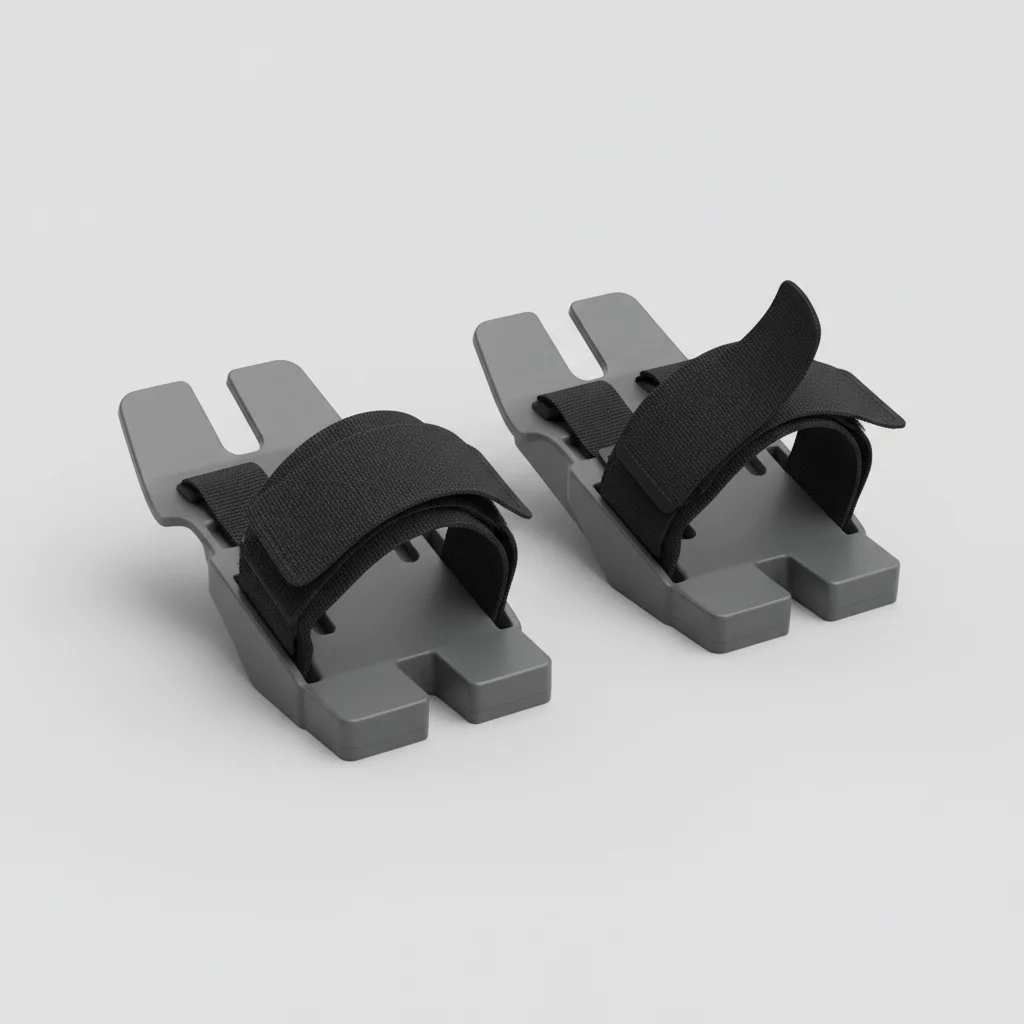
Optimizing your rowing machine foot straps is crucial for an effective and injury-free workout. The ideal tension allows for a secure connection to the footplate without restricting ankle movement or causing discomfort. Generally, you should be able to comfortably slip two fingers under the strap when your foot is fully inserted, ensuring a snug fit that prevents your feet from lifting off the footplate during the drive phase, but isn’t so tight it cuts off circulation or causes pain.
Understanding the Importance of Proper Foot Strap Tension
Properly adjusted foot straps are more than just a comfort feature; they are fundamental to good rowing technique. If your straps are too loose, your feet may lift prematurely during the drive, leading to a loss of power transfer and an inefficient stroke. This can also cause your shins to over-rotate forward, putting undue stress on your knees. Conversely, straps that are too tight can restrict ankle dorsiflexion, hindering your ability to achieve a full compression at the catch and potentially leading to discomfort or even numbness in your feet. Finding that sweet spot ensures you can drive powerfully through your heels and maintain a strong connection to the machine throughout the entire stroke cycle.
How to Adjust Your Rowing Machine Foot Straps Correctly
Adjusting your foot straps is a simple process that can significantly impact your rowing experience. First, place your feet on the footplates with the balls of your feet aligned with the pivot point of the footplate. This alignment is key for proper biomechanics. Next, pull the straps firmly over the widest part of your foot, typically just below your toes. As mentioned, aim for a tension where you can slide two fingers underneath the strap with some resistance. Test this by performing a few light strokes; your feet should feel secure without any pinching or excessive pressure. If you feel your heels lifting excessively, tighten them slightly. If you experience discomfort, loosen them. Remember, consistency in adjustment will help build muscle memory for optimal form.
Common Issues from Incorrect Foot Strap Adjustment
|
Our Picks for the Best Rowing Machine in 2026
As an Amazon Associate I earn from qualifying purchases.
|
||
| Num | Product | Action |
|---|---|---|
| 1 | Rowing Machines for Home, 16 Level Adjustable Resistance, Magnetic Rowing Machine with App Supported, 350 LB Weight Capacity, Upgraded Dual Slide Rails with LCD Data Display Screen |

|
| 2 | Rowing Machine,Wenoker Magnetic Rower Machine for Home,App Supported 350 LB Weight Capacity, Smooth Whisper Quiet with LCD Monitor Tablet Holder & Comfortable Seat Cushion, Compact and Saves Space |
|
| 3 | Rowing Machine for Home, 16 Resistance Levels, Quiet Magnetic Rower with APP, 350 LB Weight Capacity, Easy Assembly, Compact and Saves Space |
|
| 4 | Rowing Machine,Wenoker Magnetic Rower Machine for Home,App Supported 350 LB Weight Capacity, Smooth Whisper Quiet with LCD Monitor Tablet Holder & Comfortable Seat Cushion, Compact and Saves Space |
|
| 5 | MERACH Rowing Machines for Home, Magnetic Rowing Machine with 16 Levels, Rower Machine of Quiet Resistance, Dual Slide Rail with Max 350lbs Weight Capacity, App Compatible |
|
| 6 | Rowing Machine for Home, 350 LB Capacity, 16-Level Silent Resistance, Magnetic Rowing Machines for Home Foldable, Full-Body Workout Compact Rowing Machine for Cardio & Strength with APP Support |
|
| 7 | Foldable Rowing Machines for Home with Adjustable Large Water Tank & Comfortable Seat for Real Experience Immersive Water Rower, APP Link,Joint 0 Impact 330LBS Weight Capacity; |
|
| 8 | Rowing Machine for Home, Magnetic Rower Machine, 350 LB Weight Capacity, 16-Level Silent Resistance Row Machine for Gym Exercise Full-Body Workout Compact Rower with LCD Monitor Tablet Holder |
|
| 9 | Rowing Machine Magnetic Rower with 16 Resistance Levels, Quiet Home Rowing Machine for Cardio Training, APP Connection, 160 kg Load Capacity, Vertical Storage |
|
| 10 | Rowing Machines for Home,Water Rowing Machine with Foldable Design,400LBS Capacity,LCD Monitor,Smooth Glide Rails,Comfortable Seat,Free App(Bluetooth) Supported for Immersive Water Rower&Home Gym |
|
Incorrect foot strap adjustment can lead to several common problems. Too loose, and you might experience your feet slipping out, especially during the powerful drive phase, which not only reduces efficiency but can also be distracting and frustrating. This often results in a ‘flying’ heel, where the heel lifts excessively early in the drive. Too tight, and you risk cutting off circulation, leading to numb or tingling feet, a condition known as paresthesia. Overly tight straps can also restrict the natural movement of your ankles, forcing your knees to compensate and potentially leading to knee pain or injury over time. It’s a delicate balance that requires attention to detail for both performance and safety.
When to Replace Your Rowing Machine Foot Straps
Even with proper care, foot straps can wear out over time. Signs that it might be time for a replacement include fraying, stretching, or a loss of elasticity, making it difficult to achieve a secure fit. If the buckles or Velcro closures no longer hold firmly, this is another clear indicator. Most manufacturers offer replacement straps, and it’s a relatively inexpensive part to swap out. Regularly inspecting your straps as part of your routine maintenance can help you identify wear and tear early, ensuring your rowing machine remains safe and effective. Consider replacing them every 1-2 years with regular use, or sooner if you notice significant degradation.
Tips for Maintaining Your Foot Straps
- Regularly inspect straps for signs of wear, such as fraying or stretching.
- Clean straps periodically with a damp cloth to remove sweat and dirt.
- Ensure buckles and Velcro closures are free of debris for optimal grip.
- Avoid over-tightening, which can accelerate wear and tear.
- Store your rowing machine in a dry environment to prevent material degradation.
By paying attention to the tension and condition of your rowing machine foot straps, you can significantly enhance your workout quality and longevity. A properly secured foot allows for maximum power transfer, better form, and a more comfortable experience, ultimately helping you achieve your fitness goals more effectively. Don’t underestimate the impact of this small but vital component on your overall rowing performance.
Equipment that holds up past 60 sessions
Free PDF — 60-session wear log template + 5 treadmills compared.

I appreciate the advice on preventing feet from lifting prematurely. My old straps were definitely too loose, and I was getting that shin over-rotation. I replaced them with some new ones, and while the fit is better, I still find myself adjusting them mid-workout sometimes. Maybe it’s just my foot shape, but they don’t always stay perfectly snug.
I always just cranked my foot straps as tight as possible, thinking that was best. After reading this, I tried the ‘two fingers under the strap’ trick and wow, what a difference! My ankles feel so much better, and I can actually feel more power in my drive phase now. This really helped me fine-tune my setup.
This was a good reminder about how crucial proper foot strap tension is for technique. I used to get some knee stress, and I think it was exactly what was described here with the over-rotation. I’ve been more mindful of my strap adjustment, and my workouts feel more efficient now. Definitely a small change that makes a big impact.