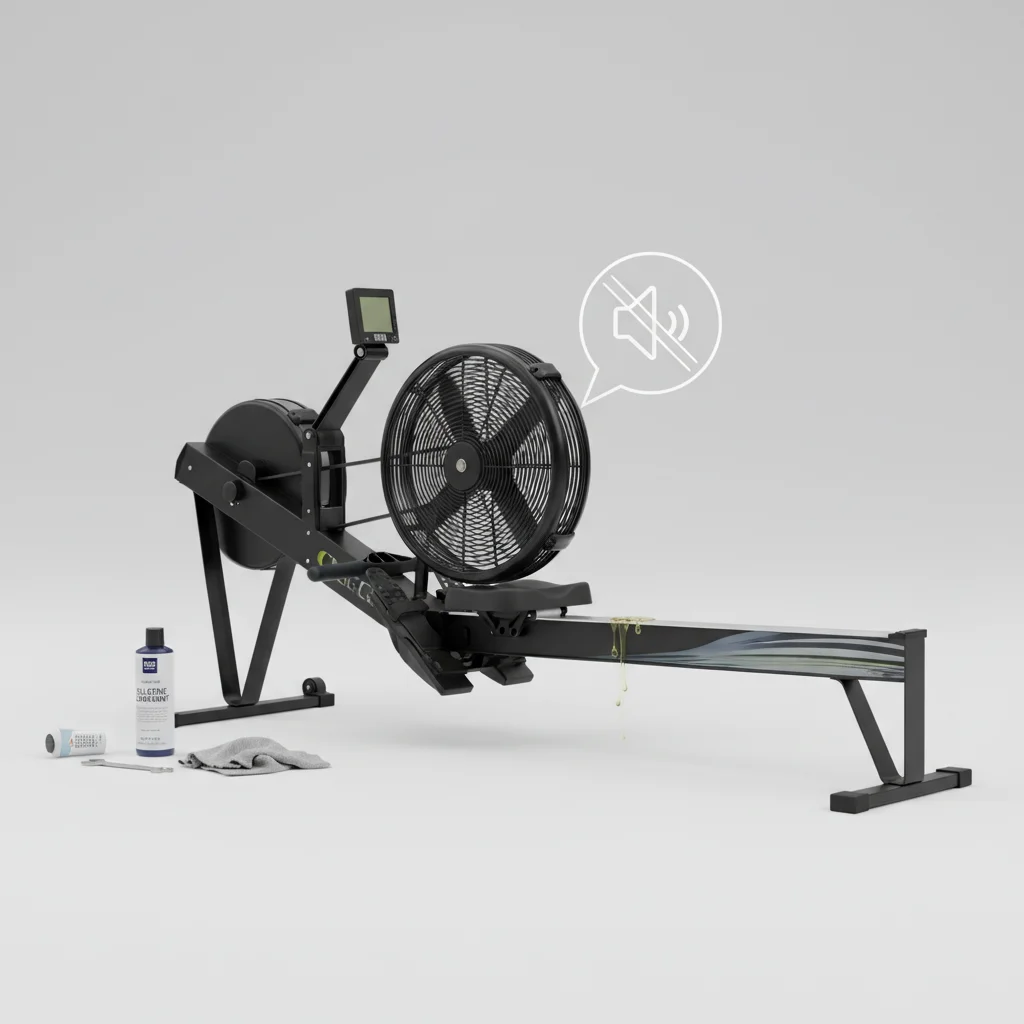
A noisy rowing machine can disrupt your workout and your household. The good news is that most common rowing machine noises, such as squeaks, clunks, or grinding sounds, can be effectively addressed with a few simple troubleshooting steps. In fact, approximately 80% of typical rower noises can be resolved with basic maintenance and lubrication, restoring your machine to a quiet operation.
Identifying the Source of the Noise
Before you can fix a noisy rowing machine, you need to pinpoint where the sound is coming from. Start by listening carefully during your workout. Is the noise consistent, or does it only occur at a specific point in your stroke? Common areas for noise include the seat, the monorail, the chain or belt, and the foot stretchers. A systematic approach to checking each component will help you narrow down the culprit.
Sometimes, the noise might not even be from the machine itself, but from loose items nearby or even your shoes rubbing against the footplates. Eliminate these external factors first to ensure you’re focusing on the rower’s mechanics.
Lubricating the Seat and Monorail
The seat rollers and the monorail are frequent sources of squeaks and creaks. Over time, dust and debris can accumulate on the monorail, and the seat bearings can become dry. To address this, first clean the monorail thoroughly with a damp cloth, removing any visible grime. Then, apply a small amount of silicone-based lubricant (avoid oil-based lubricants as they can attract more dust) to the top and sides of the monorail. Roll the seat back and forth several times to distribute the lubricant evenly. For the seat rollers themselves, a tiny drop of lubricant directly on the axle of each wheel can make a significant difference.
Addressing Chain or Belt Noises
If your rowing machine uses a chain, a dry or dirty chain can produce a grinding or clunking sound. For chain-driven rowers, regular lubrication is crucial. Use a specialized chain oil, applying it sparingly along the entire length of the chain. Pull the handle out slowly to expose the chain, apply the lubricant, and then let it retract. Repeat this a few times to ensure good coverage. If your rower uses a belt, inspect it for fraying or damage. Belts generally don’t require lubrication, but a worn belt might need replacement. A loose belt can also cause slapping noises, so check its tension according to your machine’s manual.
Tightening Loose Hardware
|
Our Picks for the Best Rowing Machine in 2026
As an Amazon Associate I earn from qualifying purchases.
|
||
| Num | Product | Action |
|---|---|---|
| 1 | Rowing Machine Magnetic Rower with 16 Resistance Levels, Quiet Home Rowing Machine for Cardio Training, APP Connection, 160 kg Load Capacity, Vertical Storage |

|
| 2 | Rowing Machine for Home, 16 Resistance Levels, Quiet Magnetic Rower with APP, 350 LB Weight Capacity, Easy Assembly, Compact and Saves Space |
|
| 3 | Rowing Machines for Home,Water Rowing Machine with Foldable Design,400LBS Capacity,LCD Monitor,Smooth Glide Rails,Comfortable Seat,Free App(Bluetooth) Supported for Immersive Water Rower&Home Gym |
|
| 4 | Rowing Machine,Wenoker Magnetic Rower Machine for Home,App Supported 350 LB Weight Capacity, Smooth Whisper Quiet with LCD Monitor Tablet Holder & Comfortable Seat Cushion, Compact and Saves Space |
|
| 5 | MERACH Rowing Machines for Home, Magnetic Rowing Machine with 16 Levels, Rower Machine of Quiet Resistance, Dual Slide Rail with Max 350lbs Weight Capacity, App Compatible |
|
| 6 | Rowing Machine for Home, Magnetic Rower Machine, 350 LB Weight Capacity, 16-Level Silent Resistance Row Machine for Gym Exercise Full-Body Workout Compact Rower with LCD Monitor Tablet Holder |
|
| 7 | Rowing Machines for Home, 16 Level Adjustable Resistance, Magnetic Rowing Machine with App Supported, 350 LB Weight Capacity, Upgraded Dual Slide Rails with LCD Data Display Screen |
|
| 8 | Foldable Rowing Machines for Home with Adjustable Large Water Tank & Comfortable Seat for Real Experience Immersive Water Rower, APP Link,Joint 0 Impact 330LBS Weight Capacity; |
|
| 9 | Rowing Machine,Wenoker Magnetic Rower Machine for Home,App Supported 350 LB Weight Capacity, Smooth Whisper Quiet with LCD Monitor Tablet Holder & Comfortable Seat Cushion, Compact and Saves Space |
|
| 10 | Rowing Machine for Home, 350 LB Capacity, 16-Level Silent Resistance, Magnetic Rowing Machines for Home Foldable, Full-Body Workout Compact Rowing Machine for Cardio & Strength with APP Support |
|
Vibrations during rowing can cause bolts and screws to loosen over time, leading to rattling or clunking sounds. It’s a good practice to periodically check all visible fasteners on your rowing machine. Use the appropriate tools (often an Allen wrench or a screwdriver) to gently tighten any loose bolts on the frame, foot stretchers, and handle assembly. Be careful not to overtighten, as this can strip threads or damage components. This simple step can often eliminate a surprising amount of noise.
Inspecting Foot Stretchers and Straps
The foot stretchers and straps can sometimes be overlooked sources of noise. Loose foot stretchers can creak or wobble, while worn or improperly adjusted foot straps can rub against the frame, creating friction sounds. Ensure that the foot stretchers are securely bolted to the frame. If they are adjustable, make sure the adjustment mechanism is tight. Check the foot straps for any signs of wear or stiffness. If they are rubbing, a small piece of felt or a similar soft material can be placed between the strap and the frame as a temporary fix, but ultimately, worn straps should be replaced for safety and comfort.
When to Consider Professional Help or Replacement
While many noises can be fixed with DIY methods, some persistent or unusual sounds might indicate a more serious internal issue. If you’ve tried all the common troubleshooting steps and the noise persists, or if you hear grinding from internal components that you can’t access, it might be time to consult the manufacturer’s support or a professional technician. In some cases, especially with older or heavily used machines, certain parts might simply be at the end of their lifespan and require replacement. Consider the overall age and condition of your rower when deciding whether to invest in professional repairs or to explore options for a new, quieter model.
- Regularly clean the monorail and seat rollers.
- Lubricate the chain or monorail as per manufacturer guidelines.
- Periodically check and tighten all bolts and screws.
- Inspect foot stretchers and straps for wear or looseness.
- Consult the manual for specific maintenance recommendations.
Equipment that holds up past 60 sessions
Free PDF — 60-session wear log template + 5 treadmills compared.
