Maintaining a crystal-clear water rower tank is essential for optimal performance and longevity. The most effective method involves regularly draining and flushing the tank, cleaning it with appropriate solutions like rubbing alcohol for stubborn algae, and consistently using specialized purification tablets every 3 to 6 months. This proactive approach prevents algae and bacterial growth, ensuring a hygienic and aesthetically pleasing workout experience.
This comprehensive DIY guide will walk you through the safest and most effective methods to clean and purify your water rower tank, ensuring it remains crystal clear and functions optimally for years to come. We’ll cover everything from understanding your tank’s needs to a step-by-step cleaning process, common troubleshooting, and essential preventative measures. Get ready to restore your water rower to its original glory and enjoy a consistently smooth, clean, and invigorating workout.
Understanding Your Water Rower Tank
Water rower tanks are typically crafted from durable polycarbonate, a robust plastic designed to withstand water pressure and offer transparency. This material is crucial for the unique resistance mechanism of water rowers, where paddles rotate through water to create a smooth, self-regulating challenge. The water within the tank serves not only as the resistance medium but also contributes to the soothing, rhythmic sound that many users find motivating. Given its direct interaction with water, understanding the tank’s material composition is paramount when selecting cleaning agents, as harsh chemicals can irreversibly damage the polycarbonate, leading to cloudiness or structural compromise. For shop curated home fitness on this site.
Why Regular Cleaning and Purification is Crucial
Maintaining a clean and purified water rower tank extends beyond aesthetics; it’s fundamental for your health, your machine’s longevity, and an optimal workout experience. Over time, even with routine use, the water in your tank can become a breeding ground for bacteria, mold, and algae, especially if exposed to light. These contaminants not only lead to unpleasant odors and murky water but can also impact the smooth operation of your rower’s internal components.
Regular purification, primarily through the use of specialized tablets, prevents the buildup of these microorganisms, ensuring the water remains hygienic and clear. This proactive approach helps to safeguard your investment by preventing potential clogs in the pump mechanism and preserving the integrity of the tank material, ultimately contributing to a more enjoyable, safe, and effective exercise routine.
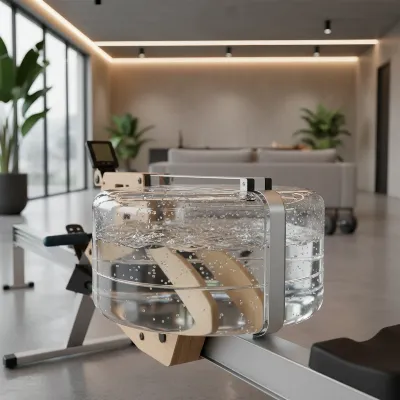 A crystal clear water rower tank in a home gym setting, reflecting light, showing clean water and internal paddles.
Essential Tools and Materials for Tank Maintenance
Before embarking on the cleaning process, gathering the right tools and materials is essential to ensure a smooth, safe, and effective operation. Having everything at hand will prevent interruptions and make the task much more manageable. You likely already possess most of these items, or they are readily available.
To effectively clean and purify your water rower tank, you will need:
- Water Rower Pump or Siphon: This is typically provided with your machine and is crucial for draining and refilling the tank.
- Two Large Buckets: One for draining dirty water and another for holding fresh water for refilling.
- Clean Municipal Tap Water: Recommended for refilling due to its natural chlorine content.
- Water Purification Tablets: Specifically designed for water rowers to prevent algae and bacterial growth.
- Soft Cloths or Microfiber Towels: For wiping down the exterior and interior (if accessible).
- Protective Gear: Rubber gloves and safety goggles are recommended to protect your hands and eyes from water or cleaning solutions.
- Optional for Stubborn Algae:
- Rubbing Alcohol (Isopropyl Alcohol): A safe option for tackling tough algae, used sparingly and diluted.
- Magnetized Scrubber: If your tank has persistent algae stuck to the inside walls that flushing can’t dislodge.
Step-by-Step Guide to Safely Cleaning and Purifying Your Water Rower Tank
Cleaning your water rower tank doesn’t have to be a daunting task. By following these methodical steps, you can safely and effectively restore its clarity and hygienic condition. patience and adherence to the guidelines are key to a successful outcome.
Preparation and Safety First
|
Our Picks for the Best Rowing Machine in 2026
As an Amazon Associate I earn from qualifying purchases.
|
||
| Num | Product | Action |
|---|---|---|
| 1 | Foldable Rowing Machines for Home with Adjustable Large Water Tank & Comfortable Seat for Real Experience Immersive Water Rower, APP Link,Joint 0 Impact 330LBS Weight Capacity; |

|
| 2 | MERACH Rowing Machines for Home, Magnetic Rowing Machine with 16 Levels, Rower Machine of Quiet Resistance, Dual Slide Rail with Max 350lbs Weight Capacity, App Compatible |
|
| 3 | Rowing Machine,Wenoker Magnetic Rower Machine for Home,App Supported 350 LB Weight Capacity, Smooth Whisper Quiet with LCD Monitor Tablet Holder & Comfortable Seat Cushion, Compact and Saves Space |
|
| 4 | Rowing Machine,Wenoker Magnetic Rower Machine for Home,App Supported 350 LB Weight Capacity, Smooth Whisper Quiet with LCD Monitor Tablet Holder & Comfortable Seat Cushion, Compact and Saves Space |
|
| 5 | Rowing Machine for Home, Magnetic Rower Machine, 350 LB Weight Capacity, 16-Level Silent Resistance Row Machine for Gym Exercise Full-Body Workout Compact Rower with LCD Monitor Tablet Holder |
|
| 6 | Rowing Machine for Home, 16 Resistance Levels, Quiet Magnetic Rower with APP, 350 LB Weight Capacity, Easy Assembly, Compact and Saves Space |
|
| 7 | Rowing Machines for Home, 16 Level Adjustable Resistance, Magnetic Rowing Machine with App Supported, 350 LB Weight Capacity, Upgraded Dual Slide Rails with LCD Data Display Screen |
|
| 8 | Rowing Machines for Home,Water Rowing Machine with Foldable Design,400LBS Capacity,LCD Monitor,Smooth Glide Rails,Comfortable Seat,Free App(Bluetooth) Supported for Immersive Water Rower&Home Gym |
|
| 9 | Rowing Machine Magnetic Rower with 16 Resistance Levels, Quiet Home Rowing Machine for Cardio Training, APP Connection, 160 kg Load Capacity, Vertical Storage |
|
| 10 | Rowing Machine for Home, 350 LB Capacity, 16-Level Silent Resistance, Magnetic Rowing Machines for Home Foldable, Full-Body Workout Compact Rowing Machine for Cardio & Strength with APP Support |
|
Before you begin, always prioritize safety. Disconnect your water rower from any power source if it’s an electric model to prevent accidental activation. Clear the area around your machine to ensure you have ample space to work without tripping or spilling. Don your protective gloves and safety goggles to shield yourself from water splashes and any cleaning agents you might use. Ensuring good ventilation in your workspace is also advisable, particularly if you are using any mild cleaning solutions.
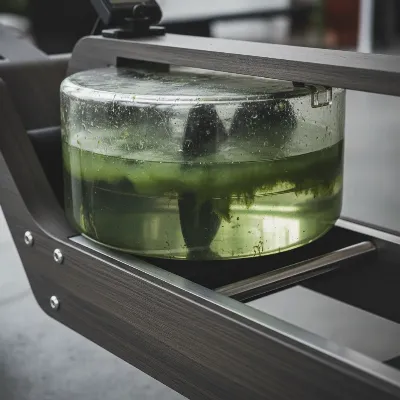 A cloudy and green water rower tank filled with visible algae, contrasting with a clean machine body.
Draining the Tank
The first critical step in revitalizing your water rower tank is to completely remove the existing water, especially if it’s discolored or contains algae. Carefully position one of your empty buckets below the tank’s drain plug or valve. Insert the siphon pump hose into the tank’s opening and the other end into the bucket. Begin pumping to initiate the siphoning process, ensuring all the water is drained. It’s important to empty the tank as thoroughly as possible to remove sediments and contaminants. For machines with a drain plug, ensure it’s securely open and use the pump to draw out the water.
Cleaning the Tank Interior (for algae/cloudiness)
Once the tank is empty, it’s time to tackle any residual algae or cloudiness. Begin by refilling the tank with a small amount of clean tap water – just enough to swish around. Row a few strokes to agitate the water, helping to dislodge any remaining algae from the tank walls. Drain this water into your dirty water bucket. Repeat this flushing process two to three times until the flushed water appears clearer.
For particularly stubborn algae or grime:
- Rubbing Alcohol Solution: Mix approximately half a cup of rubbing alcohol with two liters of clean tap water in a separate bucket. Pour this solution into the rower tank and let it sit for a few minutes. Gently rock the rower or perform a few light strokes to ensure the solution reaches all interior surfaces. Drain the alcohol solution thoroughly.
- Specialized Algae Cleaner: Some users find success with specific, non-toxic algae cleaners, such as those designed for small ponds (e.g., Pondcare Microbial Algae Clean solution). If using, add about a quarter cup, agitate, and allow it to work as per product instructions, then drain. Always verify the product is safe for polycarbonate tanks.
- Magnetized Scrubber: For tenacious spots, a magnetized scrubber (like those used for fish tanks) can be very effective. Drop one half into the tank and use the other half on the exterior to scrub the interior walls. Ensure the scrubber is clean to avoid introducing new contaminants.
After using any cleaning agent, always perform an additional rinse with clean tap water and drain it completely to remove all traces of the cleaning solution.
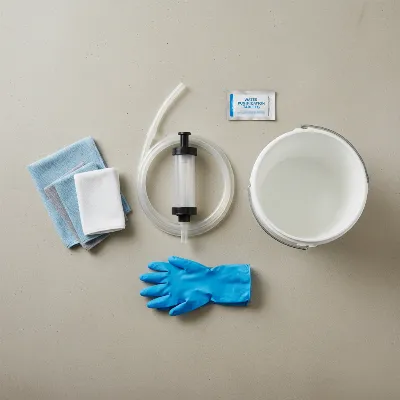 Arrangement of water rower cleaning tools: pump, bucket, purification tablets, gloves, cloths.
Purifying and Refilling the Tank
With the tank now thoroughly cleaned, it’s time to refill it with fresh water and add a purification tablet to prevent future microbial growth. Using your siphon pump, fill the tank with fresh municipal tap water up to the recommended fill line. Tap water is often preferred over distilled water because it contains natural chlorine, which provides an initial defense against algae and bacteria.
Immediately after filling, drop one water purification tablet into the tank. These tablets are specifically formulated to inhibit algae and bacterial growth, keeping your water clear for several months. Perform a few gentle strokes on the rower to help the tablet dissolve and distribute evenly throughout the water. The purification tablet will work its magic over the next few hours, and your tank should remain clear and hygienic for an extended period.
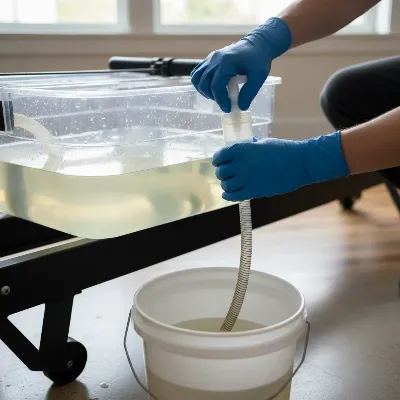 A person carefully draining a water rower tank using a hand pump into a bucket, with protective gloves.
Common Issues and Troubleshooting
Even with regular maintenance, you might encounter a few common issues with your water rower tank. Understanding how to troubleshoot these problems can save you time and ensure your machine remains in top condition.
- Cloudy Water After Adding a Tablet: If your water remains cloudy shortly after adding a purification tablet, it usually indicates that the tank was already too dirty or infested with algae for the tablet to work effectively. In this scenario, the best course of action is to completely drain the tank, perform a thorough cleaning (including flushing and potentially using an algae-specific cleaner or rubbing alcohol as outlined above), and then refill with fresh water and a new tablet.
- Persistent Green Algae: Green water is almost always a sign of algae growth. The most common culprits are direct sunlight exposure to the tank or an overdue purification tablet. Move your rower away from windows or direct light sources. If your tablet is older than 3-6 months, or if you haven’t added one recently, it’s time to replace it. If the algae is significant, a full drain and scrub might be necessary before adding a new tablet.
- Unusual Odors: A foul or unusual smell emanating from the tank indicates bacterial growth. This requires immediate attention. A complete tank draining, thorough cleaning with flushing, and refilling with fresh water and a new purification tablet should resolve the issue. Ensuring regular tablet replacement will prevent odors from returning.
Advanced Maintenance Tips
Beyond the regular cleaning and purification, a few additional practices can further extend the life and performance of your water rower. These advanced tips focus on prevention and overall care to minimize future cleaning efforts.
- Minimize Sunlight Exposure: Direct sunlight is a primary catalyst for algae growth. Position your water rower in an area of your home gym where it is not exposed to prolonged direct sunlight. If this isn’t possible, consider using a cover for the tank when the machine is not in use.
- Regular Use is Key: Ironically, regular use can help prevent algae. The movement of water during rowing sessions mixes it with oxygen, which can naturally deter algae formation. Infrequent use allows water to become stagnant, creating an ideal environment for microbial growth.
- External Cleaning and Inspection: the exterior of your rower. Weekly dusting helps prevent debris from entering the tank or affecting other components. Use a damp cloth to clean the top and bottom decks. Inspect all connecting bolts and the drive and recoil belts monthly, gently tightening any loose bolts. Keeping the rails clean with a damp cloth prevents dust and dirt from damaging the seat wheels, ensuring smooth gliding.
Buying Guide: Choosing the Right Purification Tablets
Selecting the correct purification tablets is crucial for effective long-term maintenance of your water rower tank. While many options exist, understanding the differences can help you make an informed decision.
- Brand-Specific vs. Universal Tablets: Many water rower manufacturers, such as WaterRower, offer their own brand of purification tablets. These are specifically formulated for their machines and are often recommended for optimal compatibility and performance. However, several reputable brands also produce “universal” water rower tank cleaner tablets that are safe and effective for most water-resistance rowing machines. Always check the product description for compatibility.
- Active Ingredients: Most purification tablets contain chlorine-based compounds like Troclosene (sodium dichloroisocyanurate dihydrate), which is effective at inhibiting algae and bacterial growth. Verify the active ingredients to ensure they are suitable for polycarbonate tanks and effective against common water contaminants.
- Dosage and Frequency: Pay close attention to the recommended dosage and frequency. While some tablets last up to 6 months, others might require replacement every 3-5 months or even 2-3 months. Always follow the manufacturer’s instructions for the specific tablets you purchase. If your water shows signs of discoloration or cloudiness before the recommended interval, add a new tablet immediately.
- Safety and Environmental Considerations: Look for tablets with safe, eco-friendly formulations. Ensure they are non-toxic and won’t harm your machine’s components. Always keep tablets out of reach of children and pets.
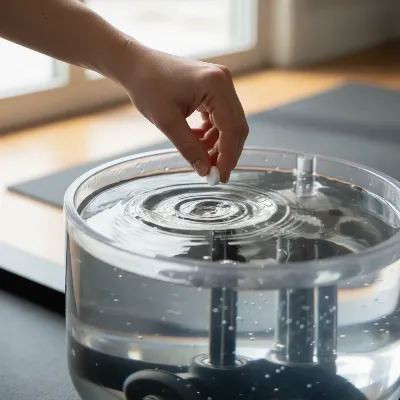 A hand dropping a purification tablet into a freshly refilled water rower tank with clear tap water.
Buying Guide (Water Rowing Machine)
Choosing a water rower for your home gym is an excellent investment in your health and fitness journey. This buying guide summarizes the most important considerations to help you select the perfect machine and maintain it effectively.
When selecting a water rower, consider factors such as the machine’s footprint, overall build quality, and monitor features. For ongoing maintenance, consistently check the water quality in your tank. The presence of algae or cloudiness means it’s time for cleaning. proper care ensures your rower provides a realistic and enjoyable experience for years.
For beginners, the most common mistake is neglecting water quality until issues become visible. It’s far easier to prevent algae growth by adding purification tablets regularly (typically every 3-6 months) than to clean a heavily contaminated tank. Another frequent error is using harsh chemicals like bleach, which can cause irreparable damage to the polycarbonate tank. Stick to the recommended cleaning solutions and purification tablets. Always consult your rower’s manual for specific maintenance instructions and recommended products to ensure safe and effective care.
Conclusion
Maintaining a clean and purified water rower tank is essential for preserving the functionality, aesthetics, and longevity of your machine, while also ensuring a hygienic workout environment. By regularly flushing, cleaning with appropriate solutions, and consistently using purification tablets, you can effectively prevent the unsightly and unhygienic growth of algae and bacteria. routine preventative care, such as minimizing sunlight exposure and adhering to recommended tablet replacement schedules, is far more effective than reactive cleaning.
Embrace these simple DIY maintenance steps to keep your water rower operating at its best. A crystal-clear tank not only enhances the visual appeal of your workout space but also contributes to a smoother, more enjoyable, and truly immersive rowing experience every time you sit down to train. How often do you check the clarity of your water rower’s tank?
Frequently Asked Questions
Can I use distilled water in my water rower tank?
It is generally not recommended to use distilled water alone. Municipal tap water is preferred because it contains natural chlorine, which helps deter algae and bacterial growth. Always supplement with a purification tablet for optimal water quality.
Can I use bleach to clean my water rower tank?
No, absolutely never use bleach, pool chlorine, or any ammonia-based cleaning fluids in your water rower tank. These harsh chemicals can cause irreparable damage to the polycarbonate material, leading to cloudiness, scratches, and structural degradation.
How often should I change the water in my water rower tank?
You typically do not need to change the water unless it becomes discolored, cloudy, or has visible algae growth. The primary maintenance involves adding a purification tablet every 3-6 months, or immediately if discoloration occurs, to keep the existing water clean.
What causes the water in my water rower tank to turn green?
Green water is caused by algae growth. This is commonly triggered by direct sunlight exposure to the tank, insufficient or overdue purification tablet usage, or infrequent use of the machine which allows water to become stagnant.
How often should I add purification tablets to my water rower tank?
Most manufacturers recommend adding one purification tablet every 3 to 6 months. However, if your rower is exposed to direct sunlight or used infrequently, you might need to add a tablet more frequently, or immediately upon noticing any water discoloration.
What if my water rower pump stops working during the cleaning process?
First, check for any visible clogs in the pump’s hose or filter. Ensure the pump is correctly assembled and fully submerged in the water if it’s an submersible type. If the pump is battery-operated, replace the batteries. If these steps don’t resolve the issue, consult your rower’s manual for specific troubleshooting or contact the manufacturer for a replacement pump.
Frequently Asked Questions
Can I use distilled water in my water rower tank?
It is generally not recommended to use distilled water alone in your water rower tank. Municipal tap water is preferred because it contains natural chlorine, which helps deter algae and bacterial growth. Always supplement with a purification tablet for optimal water quality and to prevent microbial issues.
Can I use bleach to clean my water rower tank?
No, absolutely never use bleach, pool chlorine, or any ammonia-based cleaning fluids in your water rower tank. These harsh chemicals can cause irreparable damage to the polycarbonate material, leading to cloudiness, scratches, and structural degradation, voiding warranties.
How often should I change the water in my water rower tank?
You typically do not need to change the water unless it becomes discolored, cloudy, or has visible algae growth. The primary maintenance involves adding a purification tablet every 3-6 months, or immediately if discoloration occurs, to keep the existing water clean and hygienic.
What causes the water in my water rower tank to turn green?
Green water is caused by algae growth, which thrives in light and stagnant conditions. This is commonly triggered by direct sunlight exposure to the tank, insufficient or overdue purification tablet usage, or infrequent use of the machine which allows water to become stagnant.
How often should I add purification tablets to my water rower tank?
Most manufacturers recommend adding one purification tablet every 3 to 6 months to prevent algae and bacterial growth. However, if your rower is exposed to direct sunlight or used infrequently, you might need to add a tablet more frequently, or immediately upon noticing any water discoloration.
What if my water rower pump stops working during the cleaning process?
First, check for any visible clogs in the pump's hose or filter. Ensure the pump is correctly assembled and fully submerged in the water if it's an submersible type. If the pump is battery-operated, replace the batteries. If these steps don't resolve the issue, consult your rower's manual for specific troubleshooting or contact the manufacturer for a replacement pump.
Safely Clean and Purify Your Water Rower Tank
Follow these steps to safely and effectively clean and purify your water rower tank, ensuring it remains crystal clear and functions optimally.
Disconnect your water rower from any power source if it's an electric model. Clear the area around your machine and don protective gloves and safety goggles to shield yourself from water splashes and cleaning agents. Ensure good ventilation in your workspace.
Position an empty bucket below the tank's drain plug or valve. Insert the siphon pump hose into the tank's opening and the other end into the bucket. Begin pumping to initiate the siphoning process, ensuring all water, sediments, and contaminants are thoroughly removed.
Refill the empty tank with a small amount of clean tap water and row a few strokes to agitate and dislodge residual algae. Drain this water. For stubborn algae, use a solution of half a cup of rubbing alcohol with two liters of tap water, let it sit, gently rock the rower, then drain thoroughly. Rinse with clean tap water.
Using your siphon pump, fill the tank with fresh municipal tap water up to the recommended fill line. Immediately drop one water purification tablet into the tank. Perform a few gentle strokes on the rower to help the tablet dissolve and distribute evenly, preventing future microbial growth.
Beyond the tank, regularly dust the exterior of your rower and use a damp cloth to clean the top and bottom decks. Monthly, inspect all connecting bolts and the drive and recoil belts, gently tightening any loose bolts. Keep the rails clean to prevent damage to seat wheels.
Equipment that holds up past 60 sessions
Free PDF — 60-session wear log template + 5 treadmills compared.

I’ve been putting off cleaning my WaterRower for ages, and this guide was a lifesaver. The step-by-step instructions for draining and flushing the tank were super clear. My water was looking pretty murky, but now it’s sparkling. Definitely bookmarking this for my next cleaning cycle!
The advice on regular draining and flushing is solid, and I appreciate the emphasis on preventative measures. However, I found the section on troubleshooting common issues a little brief. My tank had some weird discoloration that wasn’t quite algae, and I was hoping for more specific guidance there. Still, it’s a good starting point.
Good tips here, especially about using purification tablets. I usually just do a quick rinse, but adding the tablets every few months makes a lot of sense for preventing algae. My only minor complaint is that I wish there was a bit more detail on what to do if you have really stubborn, old algae buildup, beyond just rubbing alcohol.
This was exactly what I needed! I’ve always worried about using the wrong cleaning solutions and damaging my rower. Knowing that rubbing alcohol is safe for those tougher spots is a game-changer. My tank looks brand new, and I feel much better about my workout environment now.