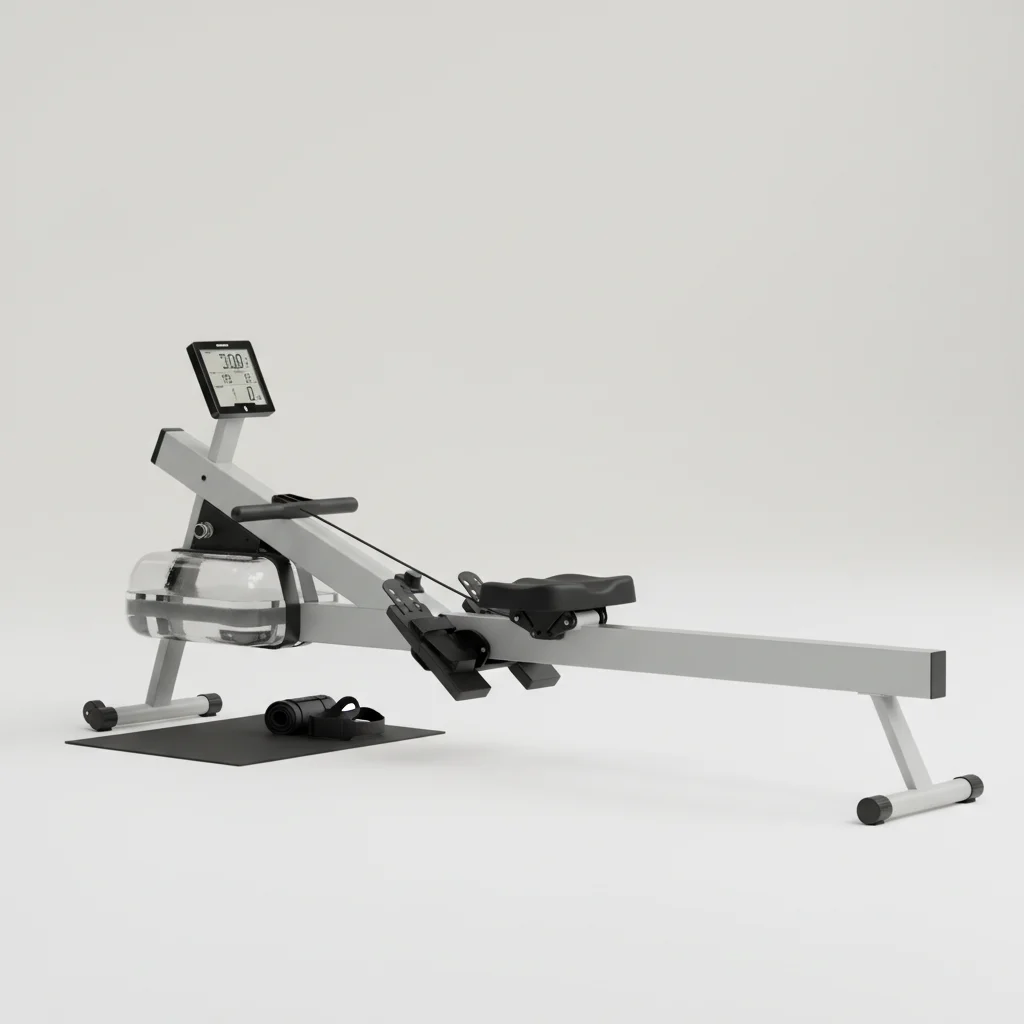
A rowing machine is an excellent starting point for beginners looking to improve their fitness, offering a full-body, low-impact workout that can be easily scaled to any fitness level. Its intuitive motion and adjustable resistance make it accessible for those new to exercise, providing a comprehensive cardiovascular and strength training experience.
Why Rowing is Ideal for New Exercisers
Rowing machines engage approximately 86% of your body’s muscles across nine major muscle groups, including your legs, core, and upper body. This makes it one of the most efficient exercises for overall fitness development. For beginners, the controlled, seated motion reduces the risk of injury often associated with high-impact activities like running or jumping. The smooth, rhythmic nature of rowing also helps in developing coordination and endurance without excessive strain on joints. For explore our home fitness reviews on this site.
Many modern rowing machines come with user-friendly monitors that display key metrics such as strokes per minute, distance, and calories burned, allowing beginners to track their progress and stay motivated. The ability to easily adjust resistance levels means you can start with a light setting and gradually increase intensity as your strength and stamina improve.
Setting Up Your Rowing Machine for Success
Proper setup is crucial for beginners to ensure comfort and prevent injury. Adjust the foot straps so the widest part of your foot is securely over the footplate, allowing for a natural pivot. The handle should be within easy reach without straining. For your first few sessions, focus on mastering the basic stroke sequence: catch, drive, finish, and recovery. The drive phase should be powerful, using your legs first, followed by your core and arms. The recovery is the reverse, returning smoothly to the catch position.
- Ensure foot straps are snug but not too tight.
- Start with a low resistance setting to focus on form.
- Practice the stroke sequence slowly before increasing speed.
- Keep your back straight and core engaged throughout the movement.
- Listen to your body and take breaks as needed.
Beginner-Friendly Workout Routines
|
Our Picks for the Best Rowing Machine in 2026
As an Amazon Associate I earn from qualifying purchases.
|
||
| Num | Product | Action |
|---|---|---|
| 1 | Rowing Machines for Home, 16 Level Adjustable Resistance, Magnetic Rowing Machine with App Supported, 350 LB Weight Capacity, Upgraded Dual Slide Rails with LCD Data Display Screen |

|
| 2 | MERACH Rowing Machines for Home, Magnetic Rowing Machine with 16 Levels, Rower Machine of Quiet Resistance, Dual Slide Rail with Max 350lbs Weight Capacity, App Compatible |
|
| 3 | Foldable Rowing Machines for Home with Adjustable Large Water Tank & Comfortable Seat for Real Experience Immersive Water Rower, APP Link,Joint 0 Impact 330LBS Weight Capacity; |
|
| 4 | Rowing Machine for Home, Magnetic Rower Machine, 350 LB Weight Capacity, 16-Level Silent Resistance Row Machine for Gym Exercise Full-Body Workout Compact Rower with LCD Monitor Tablet Holder |
|
| 5 | Rowing Machine,Wenoker Magnetic Rower Machine for Home,App Supported 350 LB Weight Capacity, Smooth Whisper Quiet with LCD Monitor Tablet Holder & Comfortable Seat Cushion, Compact and Saves Space |
|
| 6 | Rowing Machine,Wenoker Magnetic Rower Machine for Home,App Supported 350 LB Weight Capacity, Smooth Whisper Quiet with LCD Monitor Tablet Holder & Comfortable Seat Cushion, Compact and Saves Space |
|
| 7 | Rowing Machine for Home, 16 Resistance Levels, Quiet Magnetic Rower with APP, 350 LB Weight Capacity, Easy Assembly, Compact and Saves Space |
|
| 8 | Rowing Machine for Home, 350 LB Capacity, 16-Level Silent Resistance, Magnetic Rowing Machines for Home Foldable, Full-Body Workout Compact Rowing Machine for Cardio & Strength with APP Support |
|
| 9 | Rowing Machines for Home,Water Rowing Machine with Foldable Design,400LBS Capacity,LCD Monitor,Smooth Glide Rails,Comfortable Seat,Free App(Bluetooth) Supported for Immersive Water Rower&Home Gym |
|
| 10 | Rowing Machine Magnetic Rower with 16 Resistance Levels, Quiet Home Rowing Machine for Cardio Training, APP Connection, 160 kg Load Capacity, Vertical Storage |
|
For beginners, consistency is more important than intensity. Aim for 2-3 rowing sessions per week, each lasting 15-20 minutes. Start with a warm-up of 5 minutes at a light pace, followed by 10-15 minutes of steady rowing at a comfortable intensity. Conclude with a 5-minute cool-down. As you get fitter, you can gradually increase the duration or introduce short bursts of higher intensity.
Consider incorporating interval training once you’re comfortable with the basic stroke. For example, row for 1 minute at a moderate pace, then 30 seconds at a higher intensity, repeating this cycle for 10-15 minutes. This helps improve cardiovascular fitness and builds endurance more quickly. Remember to hydrate before, during, and after your workouts.
Choosing the Right Rowing Machine for Your Home
When selecting a rowing machine, beginners should consider factors like space, budget, and resistance type. Magnetic resistance rowers are often quieter and offer smooth, consistent resistance, making them a good choice for home use. Water rowers provide a more natural, fluid feel and a soothing sound, while air rowers offer dynamic resistance that increases with your effort. Many folding models are available for those with limited space.
Look for machines with comfortable seats and ergonomic handles to ensure a pleasant workout experience. Reading reviews and comparing features can help you find a model that aligns with your fitness goals and living situation.Many reputable brands offer entry-level models that are durable and provide excellent value for money, perfect for starting your fitness journey.
Common Beginner Mistakes to Avoid
One common mistake is pulling with your arms too early in the stroke. Remember, the power comes primarily from your legs. Another error is hunching your back; always maintain a strong, straight posture to protect your spine. Over-gripping the handle can lead to hand fatigue and blisters, so keep a relaxed grip. Finally, don’t neglect the recovery phase; it’s just as important as the drive for a smooth, efficient stroke.Focusing on these aspects from the beginning will establish good habits and make your rowing experience more enjoyable and effective.
Equipment that holds up past 60 sessions
Free PDF — 60-session wear log template + 5 treadmills compared.
