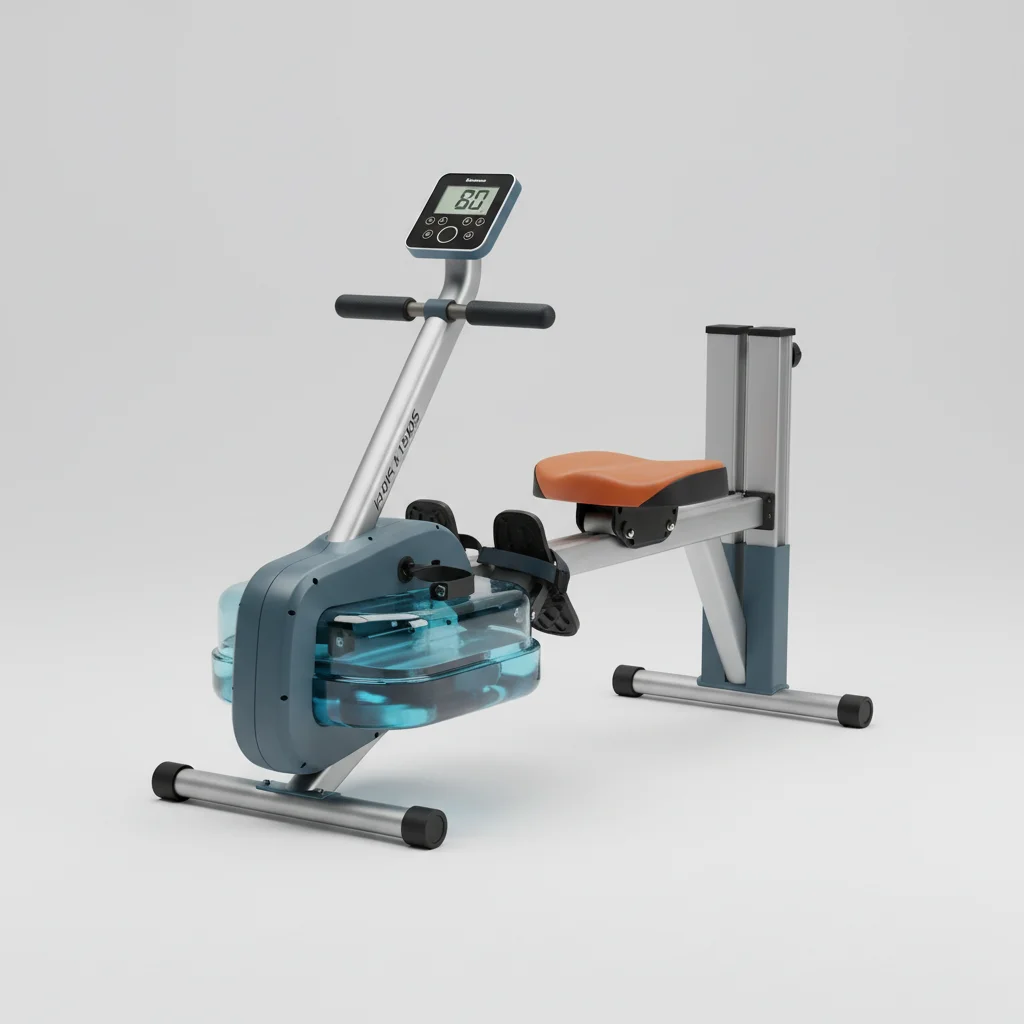
For seniors looking for a safe and effective full-body workout, a rowing machine can be an excellent choice, offering low-impact cardiovascular exercise and strength training benefits. Studies indicate that regular rowing can improve cardiovascular health, muscle strength, and flexibility in older adults, with a reduced risk of joint strain compared to high-impact activities.
Benefits of Rowing for Older Adults
Rowing provides a comprehensive workout that engages approximately 86% of the body’s muscles, including the legs, core, and upper body. This makes it highly efficient for maintaining overall fitness and muscle mass, which is crucial for seniors. The seated position minimizes stress on joints, making it suitable for individuals with conditions like arthritis or knee pain. Furthermore, the rhythmic motion can improve coordination and balance, reducing the risk of falls. For home fitness buying guides on this site.
Regular rowing can also contribute to better bone density, a significant concern for many seniors. The resistance involved in the stroke, even at lower intensities, provides a weight-bearing stimulus that can help strengthen bones over time. This makes it a valuable tool in preventing osteoporosis and maintaining skeletal health.
Choosing the Right Rowing Machine for Seniors
When selecting a rowing machine for seniors, several factors should be considered to ensure safety and comfort. Look for models with a higher seat height, which makes getting on and off the machine easier and reduces strain on the knees and back. Adjustable footrests are also important to accommodate different shoe sizes and ensure proper foot placement.
Resistance type is another key consideration. Air and water resistance rowers offer a smooth, natural feel that mimics rowing on water, and the resistance adjusts to your effort. Magnetic resistance rowers provide consistent, quiet resistance that can be easily adjusted with a dial or button, which can be beneficial for those who prefer a more controlled workout. Avoid overly complex machines with too many features if simplicity is preferred.
- Higher seat height for easier access
- Adjustable footrests for comfort and safety
- Smooth, consistent resistance (air, water, or magnetic)
- Clear, easy-to-read display for metrics
- Stable frame and non-slip base
Proper Form and Safety Tips
|
Our Picks for the Best Rowing Machine in 2026
As an Amazon Associate I earn from qualifying purchases.
|
||
| Num | Product | Action |
|---|---|---|
| 1 | Rowing Machine,Wenoker Magnetic Rower Machine for Home,App Supported 350 LB Weight Capacity, Smooth Whisper Quiet with LCD Monitor Tablet Holder & Comfortable Seat Cushion, Compact and Saves Space |

|
| 2 | Rowing Machine for Home, 350 LB Capacity, 16-Level Silent Resistance, Magnetic Rowing Machines for Home Foldable, Full-Body Workout Compact Rowing Machine for Cardio & Strength with APP Support |
|
| 3 | Rowing Machines for Home,Water Rowing Machine with Foldable Design,400LBS Capacity,LCD Monitor,Smooth Glide Rails,Comfortable Seat,Free App(Bluetooth) Supported for Immersive Water Rower&Home Gym |
|
| 4 | Foldable Rowing Machines for Home with Adjustable Large Water Tank & Comfortable Seat for Real Experience Immersive Water Rower, APP Link,Joint 0 Impact 330LBS Weight Capacity; |
|
| 5 | Rowing Machine for Home, 16 Resistance Levels, Quiet Magnetic Rower with APP, 350 LB Weight Capacity, Easy Assembly, Compact and Saves Space |
|
| 6 | Rowing Machine,Wenoker Magnetic Rower Machine for Home,App Supported 350 LB Weight Capacity, Smooth Whisper Quiet with LCD Monitor Tablet Holder & Comfortable Seat Cushion, Compact and Saves Space |
|
| 7 | Rowing Machine Magnetic Rower with 16 Resistance Levels, Quiet Home Rowing Machine for Cardio Training, APP Connection, 160 kg Load Capacity, Vertical Storage |
|
| 8 | Rowing Machine for Home, Magnetic Rower Machine, 350 LB Weight Capacity, 16-Level Silent Resistance Row Machine for Gym Exercise Full-Body Workout Compact Rower with LCD Monitor Tablet Holder |
|
| 9 | MERACH Rowing Machines for Home, Magnetic Rowing Machine with 16 Levels, Rower Machine of Quiet Resistance, Dual Slide Rail with Max 350lbs Weight Capacity, App Compatible |
|
| 10 | Rowing Machines for Home, 16 Level Adjustable Resistance, Magnetic Rowing Machine with App Supported, 350 LB Weight Capacity, Upgraded Dual Slide Rails with LCD Data Display Screen |
|
Maintaining proper form is paramount for seniors to prevent injury and maximize the benefits of rowing. The stroke consists of four phases: the catch, the drive, the finish, and the recovery. Focus on a smooth, controlled motion rather than speed. Engage your core throughout the movement and avoid hunching your back. If you’re new to rowing, consider watching instructional videos or consulting with a fitness professional to ensure correct technique.
Always start with a warm-up and end with a cool-down. Begin with shorter sessions at a lower intensity and gradually increase duration and resistance as your fitness improves. Listen to your body and stop if you experience any pain. Staying hydrated is also essential, especially during exercise.
Integrating Rowing into a Senior Fitness Routine
Incorporating a rowing machine into a senior fitness routine can significantly enhance overall health and well-being. Aim for at least 150 minutes of moderate-intensity aerobic activity per week, which can be broken down into shorter 10-15 minute rowing sessions. Combine rowing with other forms of exercise, such as walking, stretching, and light strength training, for a well-rounded program.
Many seniors find that rowing provides a sense of accomplishment and can be a motivating way to stay active. The ability to track progress through metrics like distance, time, and calories burned can further encourage consistent participation. Remember to consult with your doctor before starting any new exercise program, especially if you have underlying health conditions.
Equipment that holds up past 60 sessions
Free PDF — 60-session wear log template + 5 treadmills compared.
