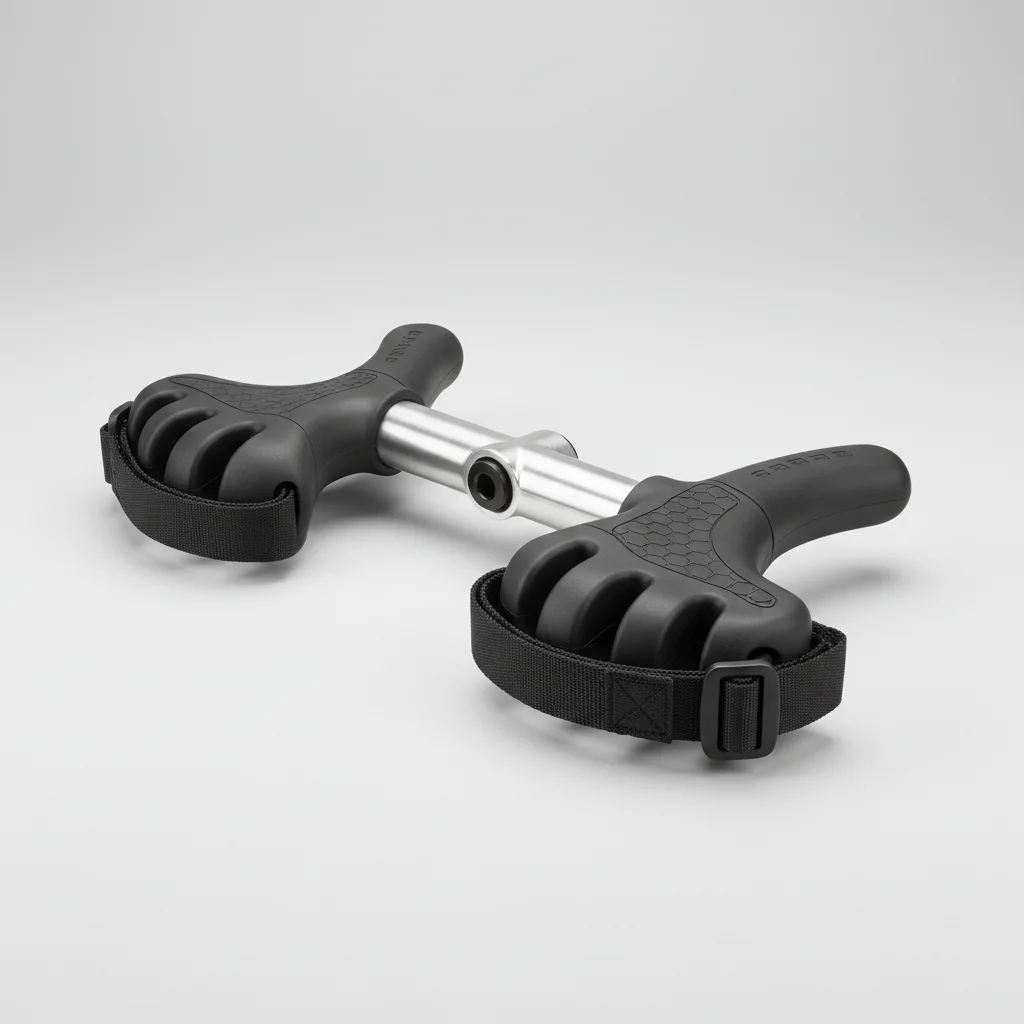
Improving your rowing machine handlebars’ grip and comfort is crucial for effective and enjoyable workouts. You can significantly enhance your rowing experience by implementing a few key strategies, including using grip tape, wearing gloves, and adjusting your hand position. These adjustments can prevent discomfort, reduce the risk of blisters, and allow for longer, more productive sessions.
Why Handlebar Grip Matters for Your Rowing Performance
A secure and comfortable grip on your rowing machine handlebars is fundamental to transferring power efficiently from your body to the machine. A poor grip can lead to premature fatigue in your forearms and hands, forcing you to shorten your workouts or compromise your form. When your grip is stable, you can focus on engaging your core, legs, and back muscles, which are the primary drivers of the rowing stroke. This not only improves your workout effectiveness but also helps prevent injuries that can arise from compensating for a weak or uncomfortable grip.
Top Strategies for Enhancing Handlebar Grip
Several effective methods can be employed to improve your grip on rowing machine handlebars. One popular solution is the application of athletic grip tape, similar to what is used on tennis rackets or hockey sticks. This tape provides a tacky surface that significantly increases friction, even when your hands become sweaty. Another simple yet effective strategy is wearing rowing-specific gloves. These gloves often feature padded palms and a non-slip surface, offering both comfort and enhanced grip. Experimenting with different types of tape and gloves can help you find the best solution for your individual needs and preferences.
- Apply athletic grip tape for increased friction.
- Wear padded rowing gloves for comfort and grip.
- Ensure hands are dry before starting your workout.
- Consider ergonomic handle attachments for custom fit.
- Regularly clean handlebars to remove residue.
Optimizing Hand Position for Comfort and Efficiency
|
Our Picks for the Best Rowing Machine in 2026
As an Amazon Associate I earn from qualifying purchases.
|
||
| Num | Product | Action |
|---|---|---|
| 1 | Rowing Machine Magnetic Rower with 16 Resistance Levels, Quiet Home Rowing Machine for Cardio Training, APP Connection, 160 kg Load Capacity, Vertical Storage |

|
| 2 | Rowing Machine for Home, Magnetic Rower Machine, 350 LB Weight Capacity, 16-Level Silent Resistance Row Machine for Gym Exercise Full-Body Workout Compact Rower with LCD Monitor Tablet Holder |
|
| 3 | Rowing Machine for Home, 16 Resistance Levels, Quiet Magnetic Rower with APP, 350 LB Weight Capacity, Easy Assembly, Compact and Saves Space |
|
| 4 | Rowing Machine,Wenoker Magnetic Rower Machine for Home,App Supported 350 LB Weight Capacity, Smooth Whisper Quiet with LCD Monitor Tablet Holder & Comfortable Seat Cushion, Compact and Saves Space |
|
| 5 | Rowing Machine for Home, 350 LB Capacity, 16-Level Silent Resistance, Magnetic Rowing Machines for Home Foldable, Full-Body Workout Compact Rowing Machine for Cardio & Strength with APP Support |
|
| 6 | Foldable Rowing Machines for Home with Adjustable Large Water Tank & Comfortable Seat for Real Experience Immersive Water Rower, APP Link,Joint 0 Impact 330LBS Weight Capacity; |
|
| 7 | Rowing Machine,Wenoker Magnetic Rower Machine for Home,App Supported 350 LB Weight Capacity, Smooth Whisper Quiet with LCD Monitor Tablet Holder & Comfortable Seat Cushion, Compact and Saves Space |
|
| 8 | MERACH Rowing Machines for Home, Magnetic Rowing Machine with 16 Levels, Rower Machine of Quiet Resistance, Dual Slide Rail with Max 350lbs Weight Capacity, App Compatible |
|
| 9 | Rowing Machines for Home,Water Rowing Machine with Foldable Design,400LBS Capacity,LCD Monitor,Smooth Glide Rails,Comfortable Seat,Free App(Bluetooth) Supported for Immersive Water Rower&Home Gym |
|
| 10 | Rowing Machines for Home, 16 Level Adjustable Resistance, Magnetic Rowing Machine with App Supported, 350 LB Weight Capacity, Upgraded Dual Slide Rails with LCD Data Display Screen |
|
Beyond external aids, adjusting your hand position on the handlebars can dramatically impact comfort and efficiency. Many rowers instinctively grip the handle too tightly, leading to forearm strain. Instead, aim for a relaxed, hook-like grip where your fingers are wrapped around the handle, but your thumbs are not squeezing excessively. Your wrists should remain flat and in line with your forearms, avoiding any bending or flexing. This neutral wrist position minimizes stress on the joints and allows for a more natural power transfer throughout the stroke. Regularly checking and correcting your hand position during your workout can make a significant difference.
Maintaining Your Handlebars for Lasting Comfort
Proper maintenance of your rowing machine handlebars is essential for ensuring lasting comfort and hygiene. Over time, sweat and skin oils can accumulate on the handles, making them slippery and a breeding ground for bacteria. Regularly wiping down the handlebars with a mild disinfectant spray and a clean cloth after each use is highly recommended. If you use grip tape, inspect it periodically for wear and tear and replace it when it starts to lose its tackiness. For machines with rubberized handles, check for any signs of cracking or degradation, which might indicate a need for replacement.
When to Consider Upgrading Your Rowing Machine Handle
If you’ve tried various grip enhancement techniques and still experience discomfort or an inadequate grip, it might be time to consider upgrading your rowing machine handle. Some aftermarket handles offer ergonomic designs, different materials, or wider grips that can better suit your hand size and rowing style. For example, some handles feature a slightly angled design that can reduce wrist strain, while others are made from softer, more pliable materials for enhanced comfort. Before purchasing, research compatible options for your specific rowing machine model and read reviews to ensure the upgrade will meet your expectations.
Equipment that holds up past 60 sessions
Free PDF — 60-session wear log template + 5 treadmills compared.
