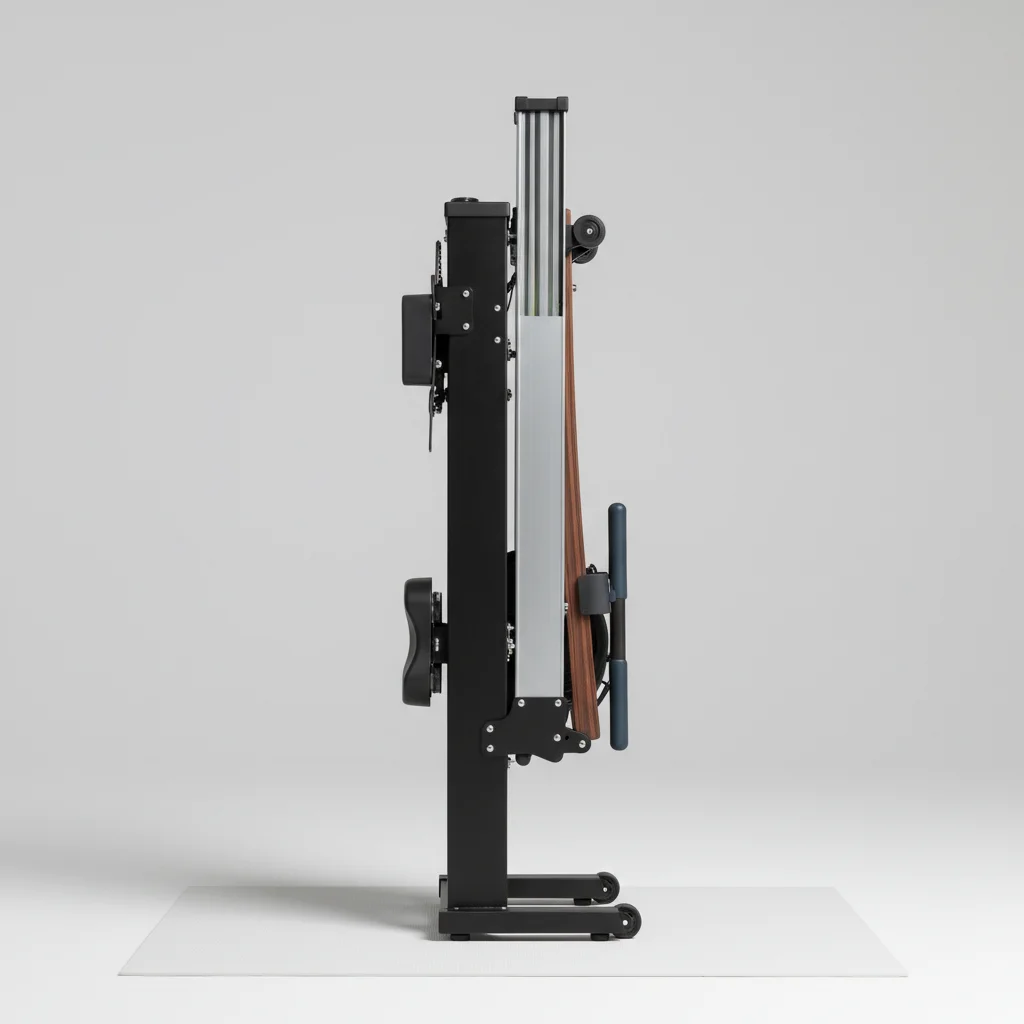
Proper rowing machine storage is crucial for extending the lifespan of your equipment and maintaining its performance. The best method for storing your rower depends on its type and the space available, but generally involves cleaning, protecting moving parts, and utilizing vertical or folding options. For instance, a folding rower can reduce its footprint by up to 50% when stored upright, making it ideal for smaller living spaces.
Why Proper Storage Matters for Your Rowing Machine
Storing your rowing machine correctly prevents dust accumulation, protects sensitive electronic components, and reduces the risk of accidental damage. Exposure to extreme temperatures or humidity can degrade materials like rubber, plastic, and even metal components over time. A well-stored machine will require less frequent maintenance and be ready for use whenever you are.
Folding vs. Upright Storage: Which is Right for You?
Many modern rowing machines are designed with space-saving features. Folding rowers allow the rail to collapse or detach from the main body, significantly reducing the machine’s length. Upright storage, common with water and air resistance rowers, involves tilting the machine onto its front end, often supported by built-in wheels. Before storing upright, ensure your model is designed for it, as some may not be stable or could leak if they contain water.
- Check your rower’s manual for specific storage instructions.
- Ensure the storage area is dry and has a stable temperature.
- Clean the machine thoroughly before long-term storage.
- Protect the monitor from dust and impact.
- Consider a cover for added protection against dust and spills.
Preparing Your Rower for Long-Term Storage
|
Our Picks for the Best Rowing Machine in 2026
As an Amazon Associate I earn from qualifying purchases.
|
||
| Num | Product | Action |
|---|---|---|
| 1 | Rowing Machines for Home, 16 Level Adjustable Resistance, Magnetic Rowing Machine with App Supported, 350 LB Weight Capacity, Upgraded Dual Slide Rails with LCD Data Display Screen |

|
| 2 | Rowing Machine for Home, 16 Resistance Levels, Quiet Magnetic Rower with APP, 350 LB Weight Capacity, Easy Assembly, Compact and Saves Space |
|
| 3 | Foldable Rowing Machines for Home with Adjustable Large Water Tank & Comfortable Seat for Real Experience Immersive Water Rower, APP Link,Joint 0 Impact 330LBS Weight Capacity; |
|
| 4 | Rowing Machine for Home, 350 LB Capacity, 16-Level Silent Resistance, Magnetic Rowing Machines for Home Foldable, Full-Body Workout Compact Rowing Machine for Cardio & Strength with APP Support |
|
| 5 | Rowing Machines for Home,Water Rowing Machine with Foldable Design,400LBS Capacity,LCD Monitor,Smooth Glide Rails,Comfortable Seat,Free App(Bluetooth) Supported for Immersive Water Rower&Home Gym |
|
| 6 | Rowing Machine for Home, Magnetic Rower Machine, 350 LB Weight Capacity, 16-Level Silent Resistance Row Machine for Gym Exercise Full-Body Workout Compact Rower with LCD Monitor Tablet Holder |
|
| 7 | Rowing Machine Magnetic Rower with 16 Resistance Levels, Quiet Home Rowing Machine for Cardio Training, APP Connection, 160 kg Load Capacity, Vertical Storage |
|
| 8 | Rowing Machine,Wenoker Magnetic Rower Machine for Home,App Supported 350 LB Weight Capacity, Smooth Whisper Quiet with LCD Monitor Tablet Holder & Comfortable Seat Cushion, Compact and Saves Space |
|
| 9 | MERACH Rowing Machines for Home, Magnetic Rowing Machine with 16 Levels, Rower Machine of Quiet Resistance, Dual Slide Rail with Max 350lbs Weight Capacity, App Compatible |
|
| 10 | Rowing Machine,Wenoker Magnetic Rower Machine for Home,App Supported 350 LB Weight Capacity, Smooth Whisper Quiet with LCD Monitor Tablet Holder & Comfortable Seat Cushion, Compact and Saves Space |
|
Before storing your rowing machine for an extended period, a thorough cleaning is essential. Wipe down the frame, seat rail, and handle with a damp cloth. For water rowers, it’s often recommended to treat the water with purification tablets or even drain the tank if storing for many months. Lubricate any moving parts, such as the chain or seat rollers, according to the manufacturer’s guidelines. This prevents rust and ensures smooth operation when you retrieve it.
Optimizing Small Spaces with Smart Storage Solutions
If you live in an apartment or have limited floor space, smart storage solutions are key. Look for rowing machines specifically advertised as ‘folding’ or ‘compact’. When not in use, these can often be tucked away in a closet, under a bed (if low enough), or against a wall. Some users even utilize wall mounts for certain types of rowers, though this is less common and requires careful installation. Always prioritize stability and safety when choosing a storage spot.
For those seeking a compact solution, consider models like the, which offers excellent performance and a convenient folding mechanism. Alternatively, if you prefer the feel of water resistance but need to save space, theprovides a robust workout and can be stored vertically with ease.
Maintaining Your Rower During Storage
Even when stored, it’s a good idea to periodically check on your rowing machine, especially if it’s in a garage or basement. Ensure no pests have made a home in it and that the environment remains dry. If storing a water rower, check the water level and condition every few months. A little proactive maintenance during storage can prevent bigger issues down the line and ensure your rower is always ready for your next workout session.
Equipment that holds up past 60 sessions
Free PDF — 60-session wear log template + 5 treadmills compared.

I appreciate the info on folding rowers. Mine folds, but honestly, it still takes up more space than I’d like even when stored upright. It’s definitely better than having it flat on the floor, but I was hoping for a bit more space saving than the 50% mentioned. Still, good reminders about dust and humidity.
I’ve had my rower for years and never really thought about proper storage until now. The tip about protecting moving parts is a game-changer. I used to just lean it against the wall, but now I’m actually taking the time to clean it and cover the chain. It makes a lot of sense for extending the lifespan.
This was super helpful! I live in a small apartment, so the vertical storage options are exactly what I needed to hear about. I’ve been worried about dust getting into the electronics, so knowing how to properly cover it and keep it safe from temperature changes is a big relief. My machine will thank me.
I just got a new water rower and was looking for the best way to store it without damaging it. The advice on preventing dust accumulation and protecting sensitive components is spot on. I’m going to make sure I follow these steps to keep my investment in top shape. Ready for my next workout!